Song Meaning
The narrator inhabits a self-constructed "house called me," a space where they are actively attempting to cultivate the ability to give. This internal dwelling is also a place of past transgressions, where the narrator admits to taking things that weren't rightfully theirs. The core struggle is an ongoing effort to change.
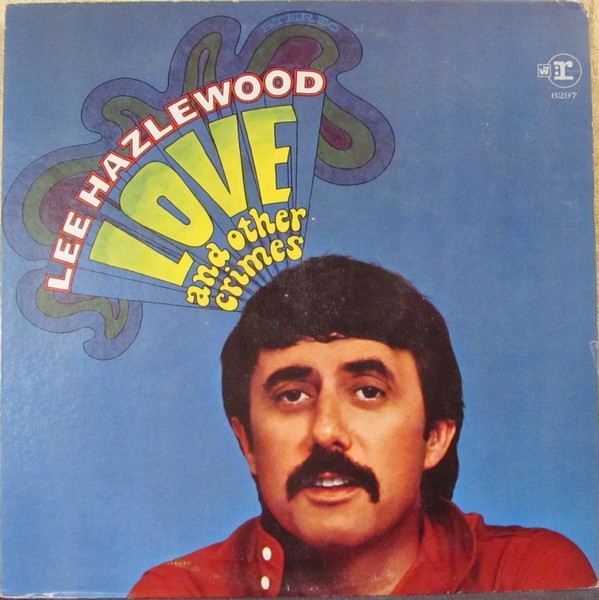
The central tension lies in the narrator's self-awareness of their past actions and their current, earnest attempts at self-improvement. They acknowledge a history of taking rather than giving, framing these actions as "love and other crimes." This confession reveals a deep-seated conflict between their past behavior and their present desire to be better, particularly in matters of love.
The most striking aspect of the craft is the metaphor of the "house called me." It personifies the self as a dwelling, suggesting that personal growth and change are processes that occur within a confined, internal space. The repetition of "trying" underscores the difficulty and persistence required for this internal work, highlighting the labor involved in learning to give and overcoming past offenses.
These lyrics resonate because they capture the universal, yet intensely personal, struggle of confronting one's own flaws and actively working towards redemption. The narrator's humble confession, "Baby, I do my best," coupled with the acknowledgment of "love and other crimes," creates a raw and relatable portrait of someone grappling with their past while striving for a more giving future.
 View Artist