Song Meaning
This song captures the raw, contradictory ache of missing someone so intensely that you end up hating them for it. The narrator grapples with the aftermath of a breakup, where words spoken in anger – like telling the person to find someone better and forget them – now feel like hollow regrets. The immediate emotional texture is one of sharp, lingering pain, a stark contrast to the past where even arguments were part of a shared routine. It's the feeling of being alone and realizing the harshness of one's own parting words.
The central tension lies in the narrator's inability to reconcile their deep longing with their current resentment. They admit, "still want to see you so much," yet the overwhelming feeling is one of hating the person. This isn't a clean break; it's a messy, emotional entanglement where the very act of missing the person fuels a bitter anger towards them and, crucially, towards oneself for feeling this way. The repeated phrase "days I hate you" underscores this internal conflict, a desperate attempt to push away the pain by redirecting it.
The lyrics use the metaphor of "rainwater" for memories, which perfectly illustrates how attempts to forget only serve to solidify the past in the heart. "Even if I try to let it flow away / It pools in my heart." This imagery highlights the futility of suppression. The narrator acknowledges that the memories of their relationship, from the first time they held hands to the reasons for their first fight, are indelible. This deep imprint makes the present longing unbearable, leading to the paradoxical hatred.
What makes these lyrics so effective is their unflinching honesty about the ugliness of grief. It’s not about noble remembrance, but about the visceral, often irrational, emotional fallout. The narrator fears they won't be able to face future questions about the relationship without revealing the depth of their lingering feelings, admitting "I miss you like crazy" even as they declare their hatred. This vulnerability, masked by anger, is what resonates, showing how love and hate can coexist in the painful space left by absence.
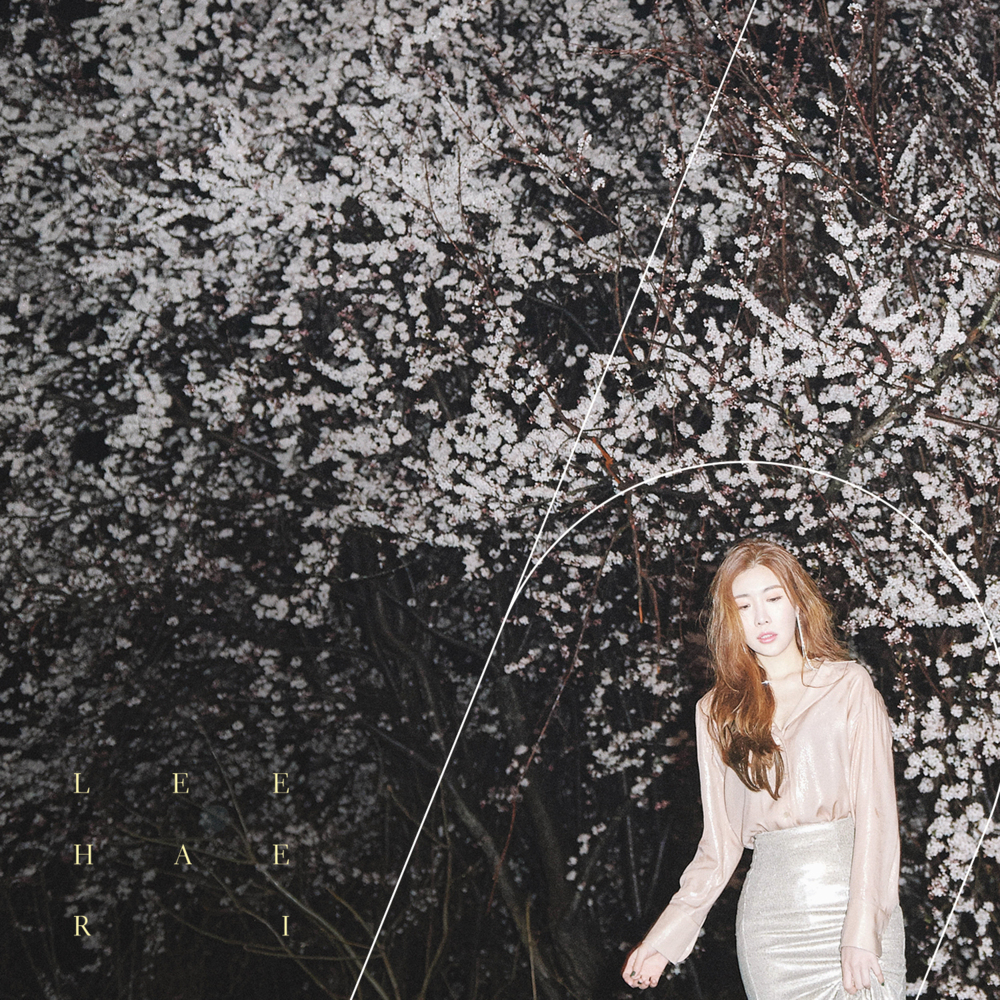
 View Artist