Song Meaning
The lyrics paint a stark picture of someone struggling with a hidden darkness that emerges with the night. The opening lines present a facade of well-being, a desperate assertion of being "fine" that immediately crumbles when darkness falls. This contrast between outward appearance and inner turmoil sets a tone of profound unease and vulnerability. The narrator admits, "I'm barely hanging on," revealing the fragility beneath the forced composure.
The core of the struggle seems to be an internal battle, possibly a form of depression or anxiety, that intensifies in isolation and darkness. The imagery of "closed eyes that needed sunlight" suggests a longing for clarity and relief that is actively denied or unattainable, leading to a state of being "blind" "by design." This implies a self-imposed or inescapable condition, leaving the narrator feeling like "an orphan to the dawn," disconnected from hope and renewal.
The repeated phrase "We were victims of the night" acts as a powerful, unifying lament. It shifts the perspective from a solitary struggle to a shared experience, suggesting that this darkness is a pervasive force affecting more than just the narrator. This collective identity as "victims" underscores a sense of helplessness and a shared fate, amplifying the emotional weight of the lyrics. The plea for forgiveness and the request to inform others "when I'm gone" hints at a deep regret and a fear of leaving unresolved issues, stemming from having "waited far too long" to address the internal pain.
Ultimately, the effectiveness of these lyrics lies in their raw, unvarnished portrayal of internal suffering. The simple, direct language and the stark contrast between day and night, fine and not alright, create an immediate emotional resonance. The repetition of the central refrain solidifies the feeling of inescapable despair, making the listener feel the weight of this shared, nocturnal affliction.
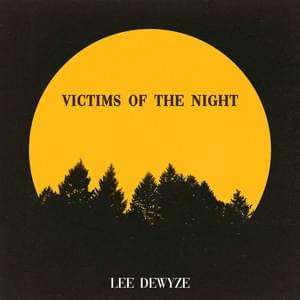
 View Artist