Song Meaning
Lee Ann Womack's "Don't Listen to the Wind" isn't just a country ballad; it's a masterclass in sonic haunting. The song meaning revolves around the lingering trauma of a past love, one built on "love and lies," that continues to exert an almost supernatural control over the narrator's present. The wind and rain aren't merely atmospheric elements; they are personified carriers of his memory, whispering his name and perpetuating her emotional imprisonment. The lyrics deftly portray the psychological impact of such a relationship, where every new face reminds her of the lost lover, and even sleep offers no escape, as he invades her dreams. This is not just heartbreak; it's a post-traumatic echo.
The genius of "Don't Listen to the Wind" lies in its understanding of how trauma warps perception. The narrator recognizes the potential for happiness with a new suitor ("I know you wanna marry me"), but she's trapped in a loop, unable to break free from the idealized, yet ultimately false, memory of her former lover. She acknowledges her foolishness ("I'm a fool to trade a boy like you / For a memory that won't be true"), yet the emotional grip of the past is too strong. This speaks to the core of trauma's power: its ability to override logic and self-preservation. The repeated plea, "Don't listen to the wind / Don't listen to the rain / Can't you hear it call his name?" becomes a mantra of self-preservation, a desperate attempt to shield herself (and perhaps others) from the seductive pull of a destructive memory.
Womack's delivery, combined with the song's spare arrangement, amplifies the sense of isolation and internal struggle. There's a rawness in her voice that conveys the ongoing pain, the feeling that the wounds are still fresh. The simplicity of the lyrics, focusing on elemental imagery of wind and rain, allows the emotional core of the song to resonate deeply. "Don't say it's alright / Don't say it's gonna end / 'Cause it'll be a long time 'fore I can love again" isn't just a statement of despair; it's a refusal to accept platitudes, a recognition of the long and arduous journey ahead. It's a song for anyone who's ever been haunted by a past relationship, a reminder that healing takes time, and that sometimes, the most important thing is to simply acknowledge the pain and resist the seductive whispers of the past.
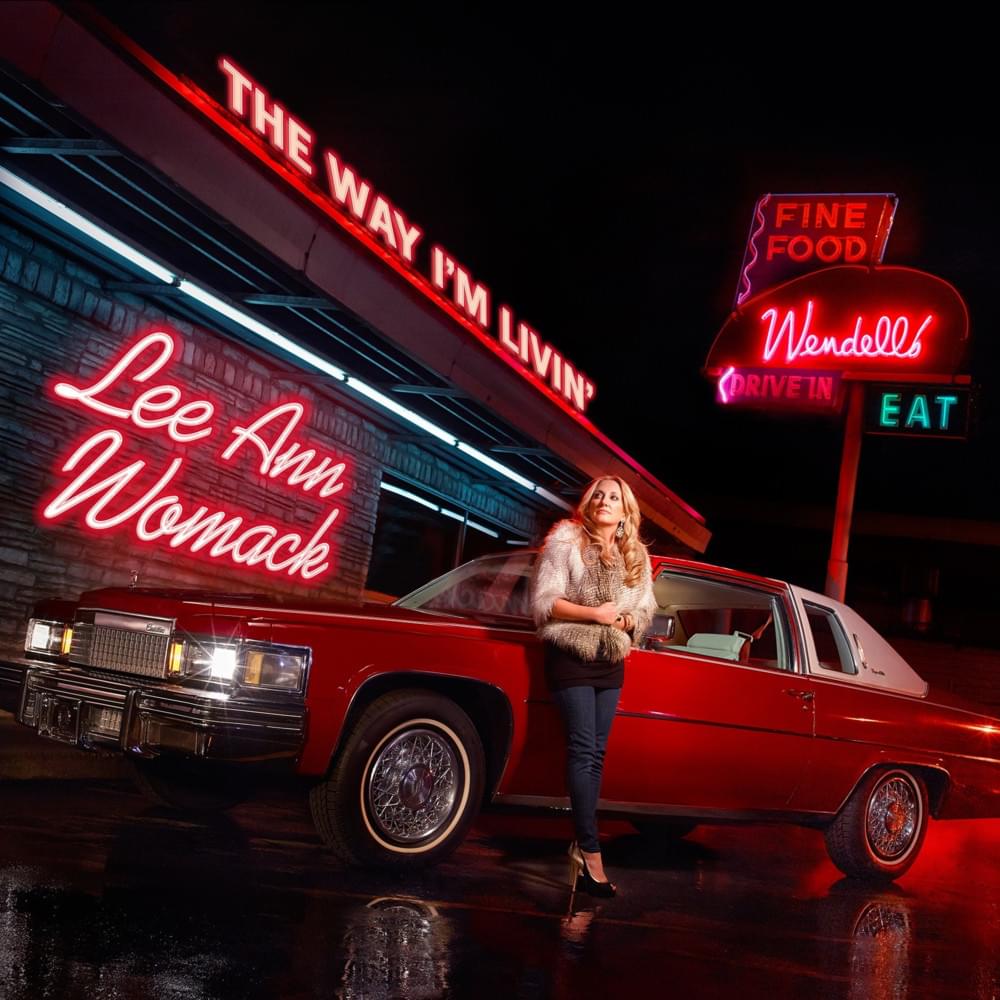
 View Artist