Song Meaning
LeAnn Rimes' "Mundo Al Reves" (World Turned Upside Down) isn't just another heartbreak ballad; it's a masterclass in preemptive emotional self-preservation. The song meaning circles around the agonizing realization that a relationship, despite its initial promise, is destined for collapse. But instead of wallowing in the inevitable wreckage, Rimes' narrator chooses to orchestrate a controlled emotional demolition. The opening lines drip with a weary acceptance, a sense of having seen this particular movie before, knowing precisely where the plot twists into tragedy. There's a profound understanding of the cyclical nature of relationships, the way they often follow predictable arcs of infatuation, connection, and eventual dissolution. The singer isn't naive; she's simply been through enough to recognize the warning signs.
The repeated motif of "fade to blue" isn't accidental. Blue, often associated with sadness and melancholy, here represents the gradual draining of color from the relationship, the slow leak of joy and vitality. It's a visual metaphor for emotional decay, a stark contrast to the vibrant hues of initial passion. The theatrical imagery is also key. References to stages, curtains, and roles highlight the performative aspect of relationships – the way we often play parts, reciting lines until the script no longer resonates. The line "knew every line by heart" underscores this sense of familiarity, but also hints at the artificiality that can creep into even the most genuine connections. It also speaks to how love isn't always enough to overcome destiny.
Ultimately, “Mundo Al Reves” is about making the conscious choice to exit gracefully. The artist acknowledges that some wounds are inevitable, and that sometimes the kindest thing you can do for yourself and the other person is to preempt the final, devastating scene. The absence of a "curtain call" is telling; there's no desire for applause, no need for validation. Only a quiet, dignified retreat before the bitterness sets in. This is not a song of despair, but one of pragmatic sorrow, recognizing when to cut losses and preserve what little emotional dignity remains. It's about taking control of your narrative, even when the ending is predetermined.
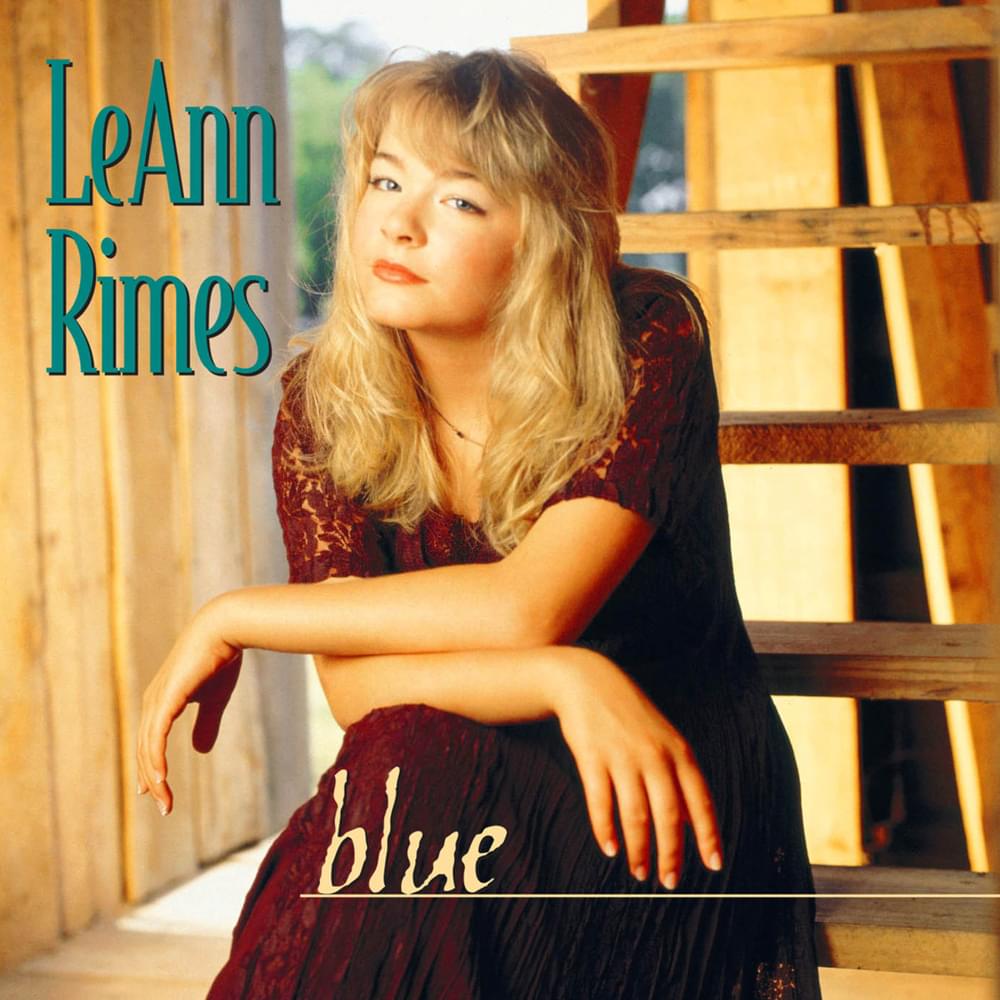
 View Artist