Song Meaning
The lyrics paint a picture of someone grappling with distance and longing, yet holding onto a deep affection. The narrator questions the persistence of their feelings, acknowledging the other person's "frágil" (fragile) way of giving without receiving. Despite this imbalance, the core sentiment remains: "Mas eu gosto de você" (But I like you). This sets up a central tension between the difficulty of the situation and the unwavering emotional pull.
This affection is personified as a guiding light, a "pequeno talismã" (little talisman) that illuminates the narrator's world. The routine of loving this person "toda manhã" (every morning) is described as "doce" (sweet), suggesting a comforting and cherished ritual. Even more profoundly, in "momentos mais difíceis" (most difficult moments), this person becomes a "divã" (couch), a place of solace and emotional release, indicating their crucial role in the narrator's well-being.
The lyrics then shift to a direct plea to "saudade" (longing/missing someone), urging it to bring the absent person back. The narrator asks longing to "troca / A minha solidão por ela" (exchange my loneliness for her), highlighting the profound emptiness felt in their absence. This plea underscores the idea that the presence of this "talismã" is essential for the narrator's life to feel truly "valer o meu viver" (worth living).
The effectiveness of these lyrics lies in their directness and the simple, yet powerful, imagery used to convey deep emotional states. The contrast between the difficulty of distance and the sweetness of routine, the fragility of giving and the strength of solace, creates a resonant portrait of devoted love. The repeated affirmation of the person as a "talismã" and "divã" solidifies their irreplaceable value, making the final plea to "saudade" feel both urgent and deeply earned.
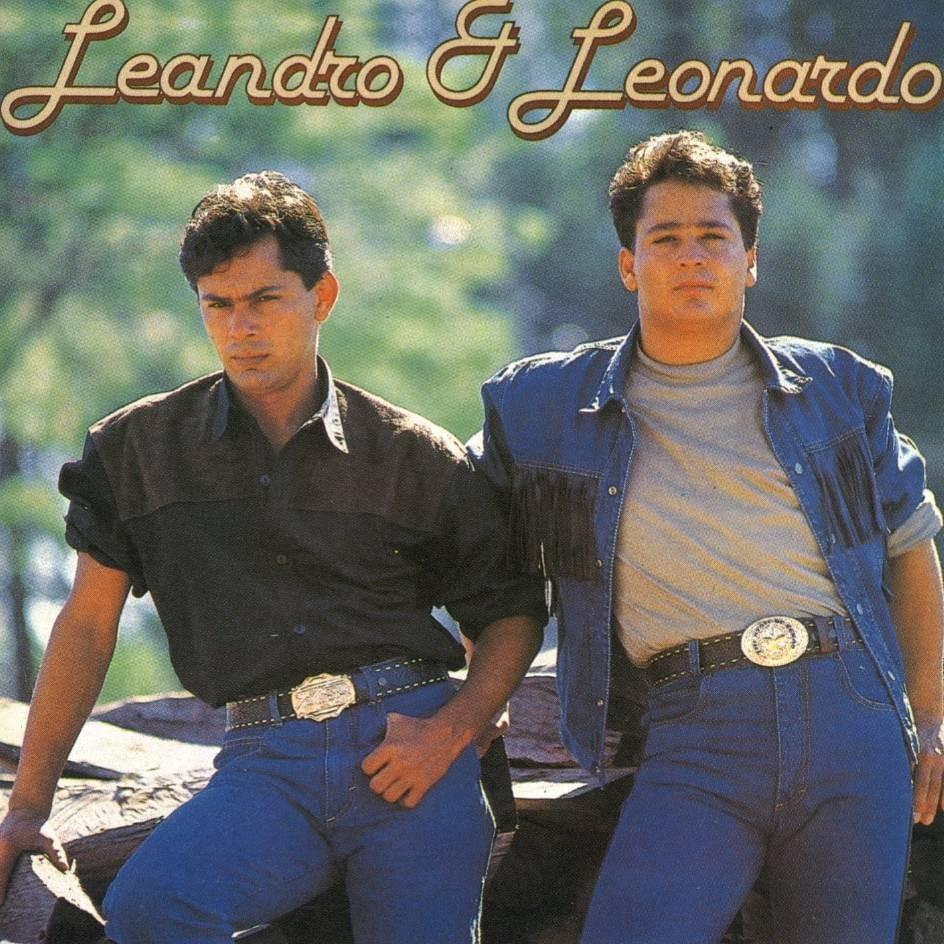
 View Artist