Song Meaning
The narrator opens with a stark declaration of past faith in love, a complete surrender of self. This initial belief, however, has crumbled over time, leaving them isolated. The phrase "Mais uma vez sozinho" lands with a heavy, almost resigned finality, underscoring a recurring pattern of abandonment.
The core tension here is the violent swing from total devotion to utter disillusionment. The lyrics explicitly state a loss of faith in love, a direct consequence of broken promises and a subsequent fall into infatuation. This isn't just sadness; it's a deep-seated pain, leaving "marcas da desilusão."
The writing powerfully conveys this emotional wreckage through direct, almost blunt statements. The shift from "Eu acreditei demais" to "Não, não acredito mais" is abrupt, mirroring the shattering of their previous worldview. The narrator's self-pity, expressed as "Tenho que ter dó de mim / E do meu coração," is a raw, unvarnished admission of vulnerability.
This piece hits hard because it articulates a familiar, painful cycle with unflinching honesty. The stark contrast between past idealism and present despair, coupled with the simple, declarative sentences, creates a palpable sense of heartbreak. It's the sound of someone picking through the ruins of their own emotional landscape.
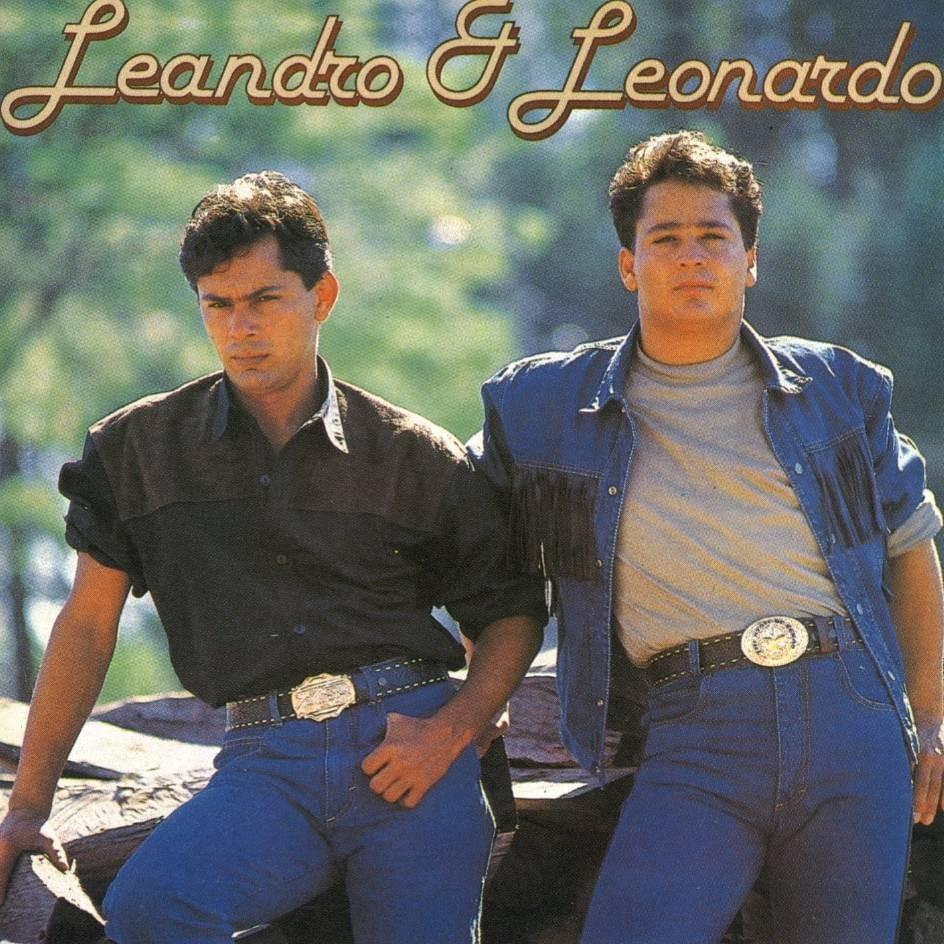
 View Artist