Song Meaning
The lyrics paint a vivid picture of a specific, cherished moonlight, contrasting the luminous 'luar do sertão' with the dimness of city light. The opening lines immediately establish a sense of unique beauty, stating emphatically, "Não há, ó gente, ó não / Luar como esse do sertão." This isn't just any moonlight; it's a singular phenomenon tied to a particular place, evoking a deep sense of longing for home. The narrator directly contrasts this with the urban experience, finding the city's night "tão escuro" and lacking the profound emotional resonance of their homeland's moon. This sets up a core tension between idealized memory and present reality.
The central conflict emerges from this saudade, a Portuguese word capturing a deep melancholic longing. The narrator yearns for the specific visual and emotional qualities of the sertão's moonlight, describing how it "branquejando folhas secas pelo chão" – whitening dry leaves on the ground. This image grounds the abstract feeling of longing in a concrete, natural scene. The city's darkness, in contrast, offers no such solace or connection, amplifying the feeling of displacement and the power of remembered light.
The lyrics employ rich imagery to elevate the sertão's moonlight beyond mere observation. When the moon rises "por detrás da verde mata," it transforms into "um sol de prata," a silver sun, illuminating the solitude. This metaphor suggests a powerful, life-giving quality to the moonlight, akin to the sun but softer, more ethereal. The act of picking up a viola and singing as the moon is born from the heart, "a Lua Cheia a nos nascer do coração," beautifully links the natural world to internal creative expression and emotional outpouring. The flowing stream, "transparente como um véu," further adds to the serene, almost mystical atmosphere of the sertão night.
Ultimately, the effectiveness of these lyrics lies in their ability to translate a profound sense of place and belonging into sensory experience. The repetition of the central refrain reinforces the singular value of the sertão's moonlight, while the descriptive passages allow the listener to almost feel the cool, silver light and hear the murmuring stream. It's this detailed, evocative portrayal of a specific natural phenomenon, imbued with personal memory and emotion, that makes the longing so palpable and the idealized landscape so compelling.
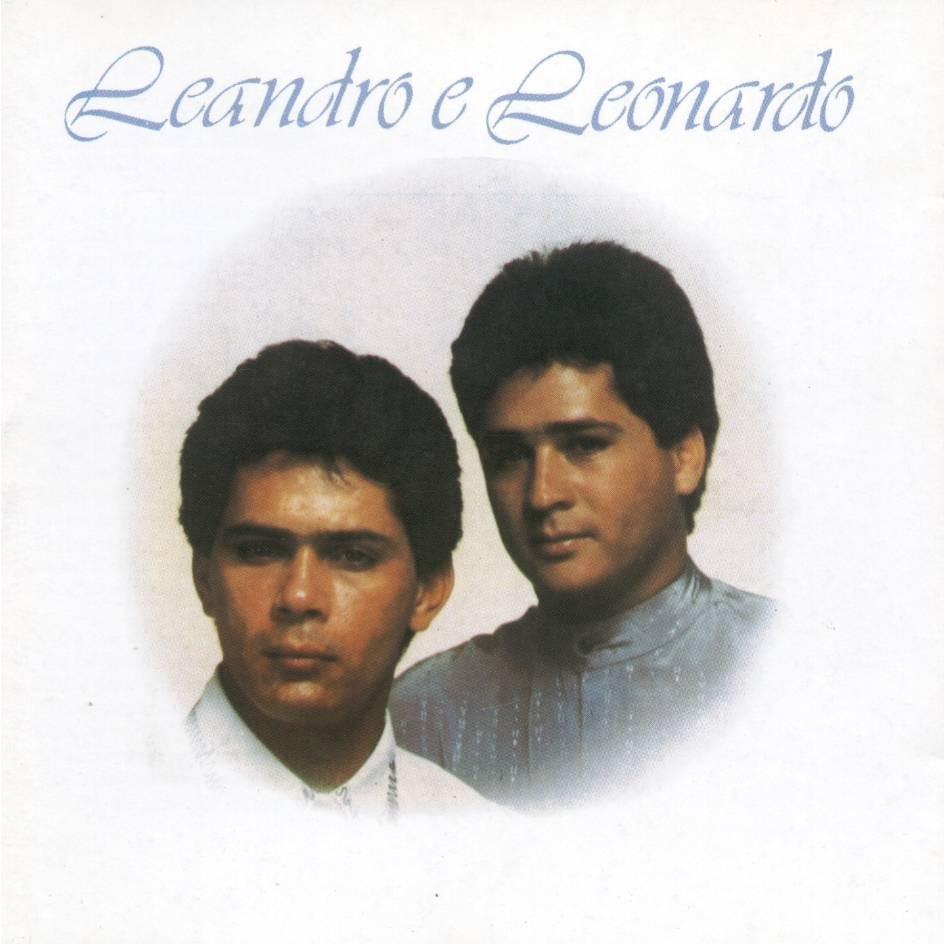
 View Artist