Song Meaning
The narrator is consumed by the memory of a pair of eyes, desperately searching for them in the present. These eyes are described as powerful beacons, like "two headlights in the dawn," illuminating the narrator's "dark room." This imagery immediately establishes a tone of longing and a sense of being lost without this guiding presence. The search is not confined to a specific place but extends "around the world," highlighting the depth of the narrator's yearning.
The central tension lies in the contrast between the vividness of the memory and the elusiveness of the reality. The eyes "spoke only of love" and were once seen as "stars shining," yet their actual color remains a mystery, a detail lost to time or perhaps never truly perceived. This ambiguity suggests that the memory itself, rather than the specific details of the person, is what holds the narrator captive. The lyrics imply that the memory is so potent it has "invaded my room and my heart."
The most striking aspect of the craft is the persistent, almost obsessive repetition of the question, "Where are those eyes?" This refrain underscores the narrator's inability to move on. The final stanza, with its rapid-fire, uncertain color declarations – "They are blue, they are blue / Green, black I don't know" – culminates in the definitive, yet still uncertain, "They are brown, those eyes / That I loved." This confusion about a fundamental physical characteristic, juxtaposed with the certainty of love, reveals the profound impact of these eyes on the narrator's emotional landscape.
This writing is effective because it taps into a universal feeling of searching for something lost, particularly a connection that felt profound. The specific, yet ultimately hazy, imagery of the eyes, combined with the raw emotional plea, creates a powerful sense of unresolved longing. The narrator's struggle to recall even basic details while holding onto the intensity of the love felt makes the memory feel both intensely personal and deeply resonant.
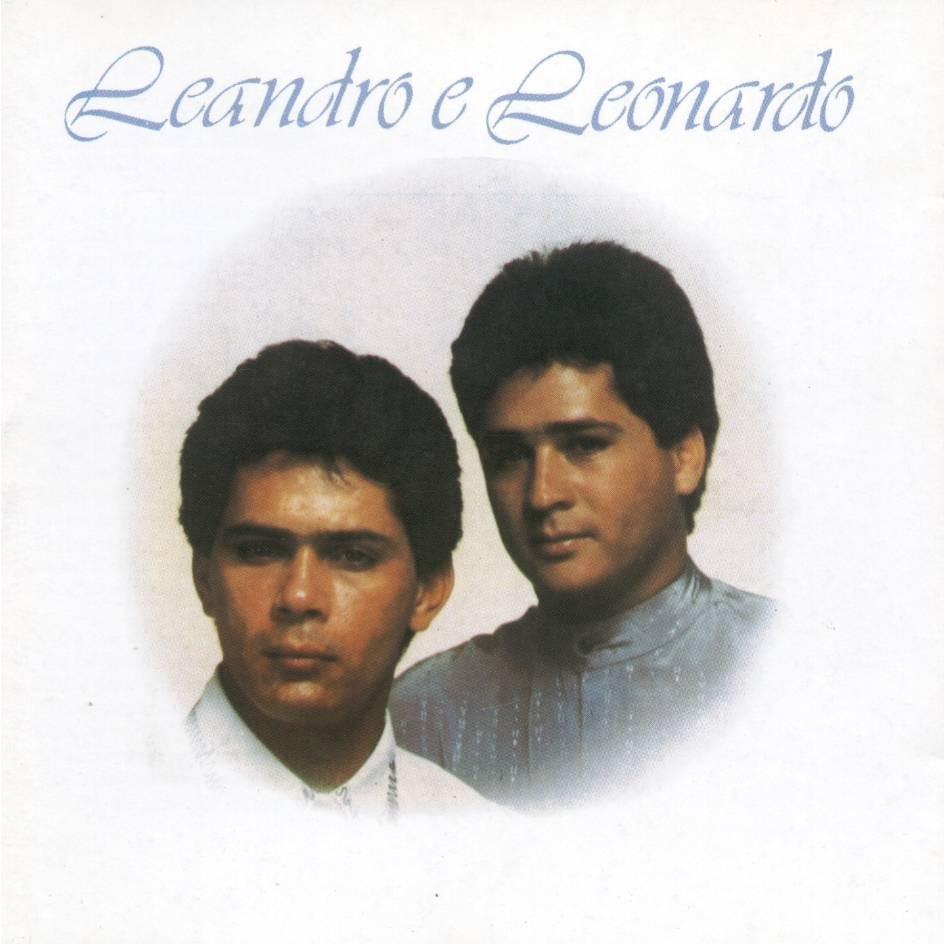
 View Artist