Song Meaning
The lyrics paint a complex portrait of the eyes, presenting them as both windows to the soul and agents of perception. They are described as seeing "secrets, fury, and compassion," capable of generating "beauty, landscape, and illusion." This duality suggests that eyes reveal profound truths while also being sources of deception or subjective interpretation. The repeated phrase "Olhos notam mas não se tocam" (Eyes notice but don't touch) highlights a disconnect between observation and genuine connection, a theme that is starkly contrasted by the final, powerful declaration: "Olhos tocam" (Eyes touch).
This tension between seeing and feeling, between passive observation and active connection, seems to be the core of the piece. The lyrics acknowledge that eyes "feel everything they see," yet "sometimes destiny doesn't forgive." This hints at a painful awareness of what is observed, perhaps a recognition of suffering or loss that cannot be altered. The lines "Beautiful, clear in the immensity / Nothing equal, even so, we cry" underscore this poignant realization: despite the clarity of vision and the unique nature of what is seen, sorrow remains an inescapable human response.
The most striking aspect of the writing is its use of repetition and stark contrast to build emotional weight. The insistent "Olhos notam mas não se tocam" builds a sense of detachment and perhaps loneliness, emphasizing a world where people observe each other without truly engaging. The abrupt shift to the singular, declarative "Olhos tocam" is incredibly effective, suggesting that despite the perceived distance, a profound, almost physical connection is possible through the gaze alone. This final statement redefines the power of the eyes, moving them from mere observers to active participants in emotional exchange.
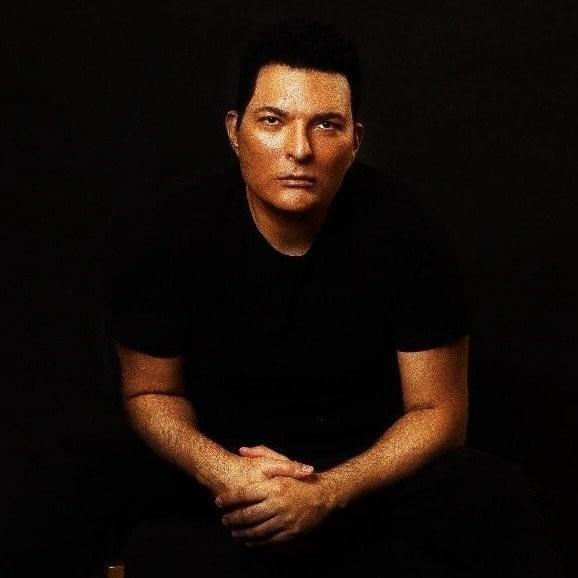
 View Artist