Song Meaning
This track launches into a furious, almost existential rant against 'leakers,' painting them as a societal plague far beneath even basic humanity. The narrator, identified as 'Satan,' frames these individuals as pests whose sole purpose is to disrupt and annoy, a motivation so base it's the only thing keeping them 'alive and still existing.' The tone is one of utter contempt, bordering on disgust, for a group perceived as inherently destructive and parasitic.
The core of the animosity seems to stem from a specific type of 'leaker' behavior, characterized by an obsessive, almost pathetic pursuit of idealized, often underage-looking 'waifus.' The lyrics mockingly imitate a voice that defends these questionable preferences with absurd justifications about age and fictional status, highlighting a perceived disconnect from reality and a disturbing fixation. This specific portrayal fuels the narrator's rage, presenting leakers not just as nuisances, but as figures embodying a warped and unsettling aspect of modern online culture.
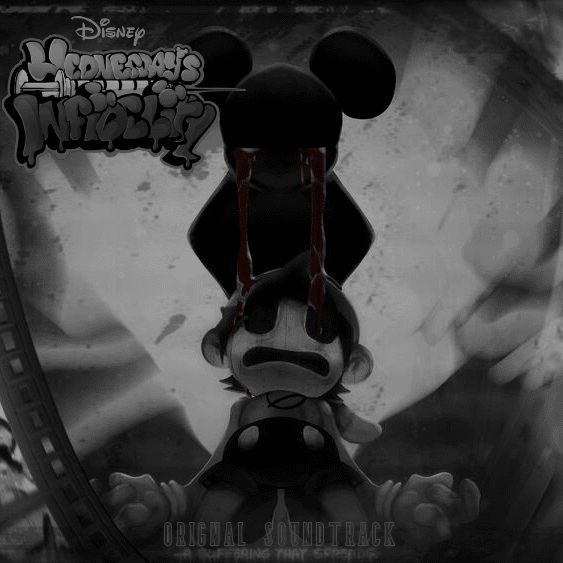
The writing takes a sharp turn with the 'suicide-mouse.avi' interjection, shifting from broad condemnation to a desperate plea. This character begs for the leakers to be 'sent away' or 'murdered,' revealing a profound distress and a desire for their eradication. The narrator's subsequent confusion, 'Why am I ranting? I don't know,' followed by the self-aware, almost accidental rhyme, 'I should have ended this a long time ago... Fuck, that rhymed!', injects a meta-commentary. It suggests a weariness and perhaps a self-loathing in the act of even articulating this rage, hinting that the problem, or the narrator's own existence, has been a prolonged, painful ordeal.
Ultimately, the lyrics' power lies in their raw, unfiltered expression of extreme frustration and disgust, amplified by the jarring shift in perspective. The contrast between Satan's grand pronouncements of societal plague and suicide-mouse's personal, desperate plea creates a disorienting, uncomfortable listening experience. The final, almost throwaway rhyme underscores a sense of futility, as if the very act of complaining is a sign of a deeper, unresolved decay.