Song Meaning
This track paints a stark picture of grueling labor, immediately establishing a tone of weary complaint. The narrator's opening lines, "All I hate 'bout linin' track / These ol' bars 'bout to break my back," set a physical and emotional burden. The repetitive, almost chant-like chorus, "Oh boys, can't you line 'em, Jack-a Jack-a," underscores the relentless nature of the work and a plea for help or encouragement.
The central tension arises from the contrast between the demanding physical reality and the narrator's yearning for escape or divine intervention. This is powerfully illustrated by the biblical allusions. The image of Moses parting the Red Sea, a monumental act of liberation, is juxtaposed with the mundane, back-breaking task at hand. The narrator wishes they "could I surely would / Stand on the rock where Moses stood," highlighting a deep desire for a similar miraculous deliverance from their own hardship.
The lyrics employ a striking contrast between the sacred and the secular. The grand biblical narratives of Moses and Mary and the baby are invoked, but they serve to amplify the narrator's current plight. The final verse, "Mary an' the baby lyin' in the shade / Thinkin' on the money I ain't made," brings the focus back to the immediate, material concerns of poverty and unfulfilled labor. This juxtaposition suggests a yearning for spiritual solace that is ultimately overshadowed by pressing economic realities.
The effectiveness of these lyrics lies in their raw, unvarnished portrayal of hardship and the subtle, yet potent, use of religious imagery. The repetitive chorus creates a sense of inescapable drudgery, while the biblical references offer a fleeting glimpse of hope that is quickly subsumed by the harshness of everyday life. The song captures a specific, visceral feeling of being trapped by labor and longing for something more, whether it be rest, relief, or redemption.
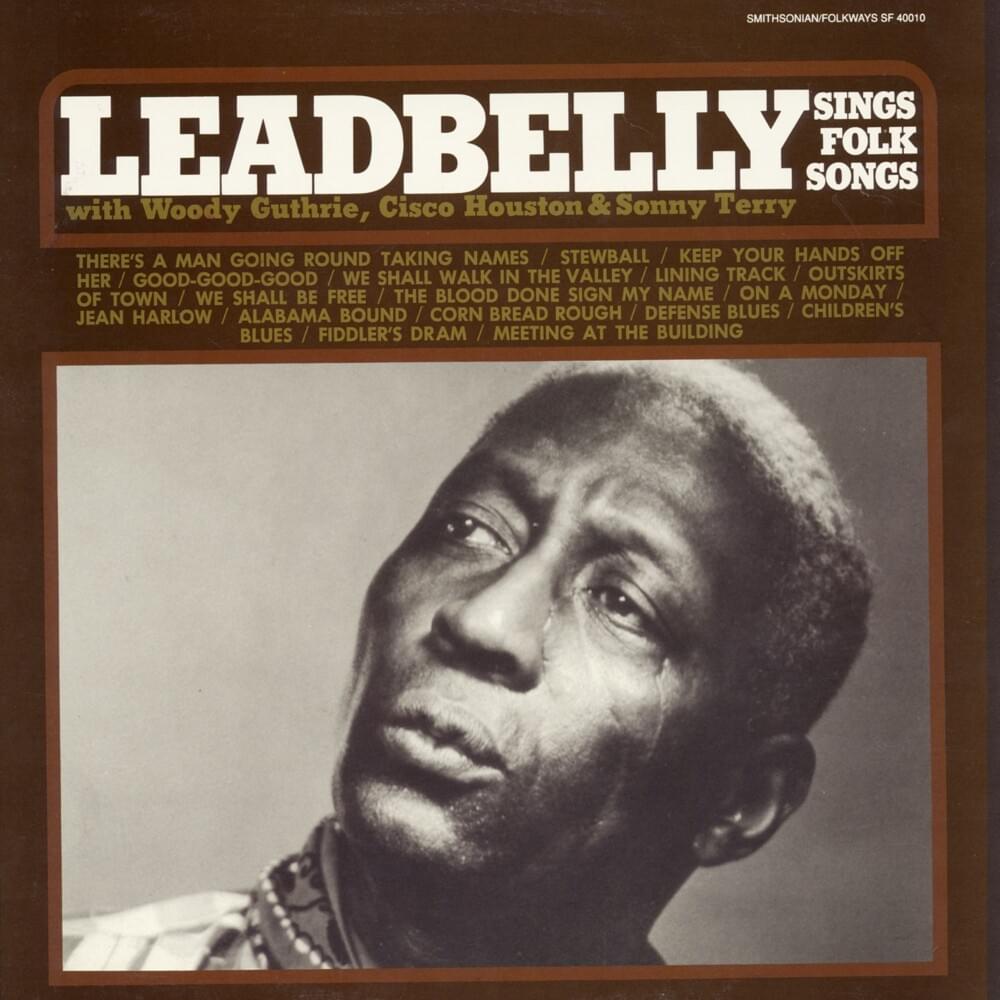
 View Artist