Song Meaning
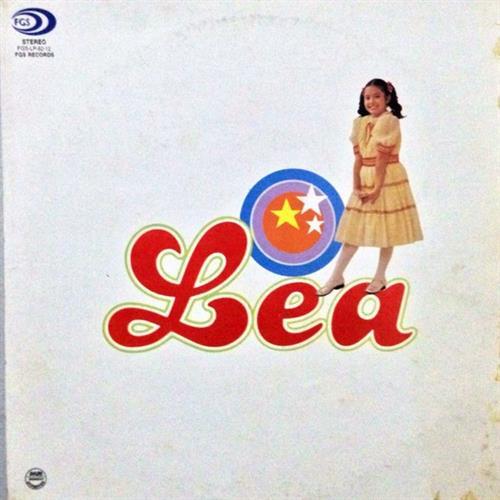
Lea Salonga's rendition of "Sing" is less a performance and more an invitation—a beckoning towards collective optimism. The song's simple structure, repetitive lyrics, and sing-along nature belie a deeper psychological understanding of how we process and share emotions. It's an exercise in emotional contagion, leveraging the inherent human desire for connection and shared experience. The explicit instructions – "Sing of good things, not bad / Sing out happy, not sad" – aren't naive; they're a deliberate attempt to reframe perspective. It's cognitive restructuring set to music.
The genius of "Sing" lies in its accessibility. The lyrics actively dismantle potential barriers to participation. The lines "Don't worry if it's not good enough / For anyone else to hear" are particularly poignant. They directly address the self-consciousness and fear of judgment that often inhibit self-expression. By removing the pressure of performance, the song unlocks the potential for genuine emotional release. It suggests that the act of singing itself, regardless of quality, is inherently valuable. This sentiment echoes the therapeutic benefits of creative expression, where the process outweighs the product.
Ultimately, the song's meaning extends beyond a simple call for happiness. "Sing" advocates for a proactive approach to emotional well-being, suggesting that actively choosing to focus on the positive can create a ripple effect, fostering connection and shared joy. This interpretation aligns with principles of positive psychology, emphasizing the power of intentionality and the importance of cultivating optimism. The repeated "la la la" sections further reinforce this idea, serving as a wordless reminder of the simple, unburdened joy that can be found in pure expression.
 View Artist