Song Meaning
The lyrics paint a poignant scene of a conversation between Strati and Angelaki, likely former comrades. Strati addresses Angelaki as "old Angelaki, my soul, komita," immediately establishing a shared past and a sense of camaraderie, possibly in a revolutionary or military context given "komita." The initial tone is one of reflection and perhaps gentle chiding, as Strati notes, "Now it's been nine years / Since you left, my soul, with the troop / You always walked at the front / Now behind, my soul, you remain." This contrast highlights a perceived decline or change in Angelaki's status or ability.
Angelaki's response reveals the stark reason for his changed circumstances: "I am sick, Strati, I am sick / The Turks, my soul, wounded me / I can no longer, my soul, walk / Follow the troop, my soul." The dominant emotional tension lies in the physical and perhaps psychological toll of past conflict, contrasting the remembered bravery of leading the charge with the present reality of incapacitation. The repeated "my soul" (djanum) acts as an endearment, softening the harshness of the situation and emphasizing a deep, personal connection between the speakers.
The recurring phrase "my soul" (djanum) is a significant craft element. It's used by both speakers, acting as a term of endearment that underscores their shared history and mutual affection, even amidst Strati's observation of Angelaki's current state and Angelaki's admission of weakness. This repetition imbues the dialogue with a tender, mournful quality, suggesting a bond that transcends the physical limitations and the passage of time.
These lyrics are effective because they capture a moment of quiet, heartbreaking reality. The simple, direct exchange reveals a profound personal cost of past struggles without overt melodrama. The contrast between Angelaki's past leadership and present suffering, framed by the tender "my soul," makes the listener feel the weight of his injuries and the enduring nature of their bond.
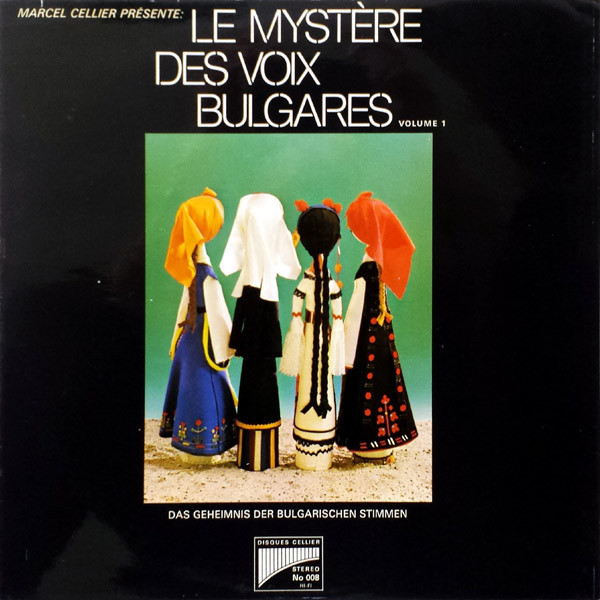
 View Artist