Song Meaning
The lyrics paint a picture of a youth group, not inherently bad, but shaped by their origins and the societal perception of their families. They come from diverse backgrounds, whether large or single-parent households, and despite being French, they feel their parents are spoken of poorly. This creates an immediate tension between national identity and external judgment.
The core conflict seems to stem from a feeling of being 'othered' within France, despite their nationality. The lines "On est français mais la France parle de nos parents mal" directly articulate this disconnect. The narrator acknowledges that this youth might be "well-healed or sometimes mismanaged," suggesting a spectrum of outcomes influenced by their circumstances and the "anti Portugal Morocco Algeria" sentiment, which implies a rejection of their heritage or a feeling of being caught between worlds.
The most striking craft element is the juxtaposition of seemingly disparate elements, highlighting the complex identity at play. The line "Et on mélange tout le monde comme à l'aéroport" is a powerful image, suggesting a melting pot where origins are fluid and perhaps indistinguishable in a public space. This is immediately followed by the specific, contrasting example of food: "Sandwich au saucisson halal ou au porc," which directly confronts cultural and religious divides within a single, everyday item, illustrating how these identities are both present and mixed within the group.
This writing is effective because it grounds abstract feelings of alienation and mixed identity in concrete, relatable imagery. The contrast between national belonging and parental judgment, combined with the sensory details of food and the airport metaphor, creates a vivid and nuanced portrait of a generation navigating complex social landscapes. It forces the listener to consider the specific pressures and realities shaping these young individuals, moving beyond simple labels.
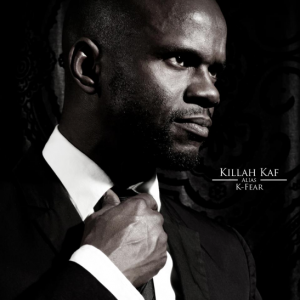
 View Artist