Song Meaning
The lyrics paint a serene picture of nature's awakening, where sunlight illuminates both the grand and the intimate. It starts with the sun's broad sweep across the sky, touching the "skin of woman" and the "top of the crystal mountain," before descending to "light the Earth until the moonlight." This imagery establishes a connection between the celestial and the earthly, the vast and the personal, setting a tone of tranquil beauty.
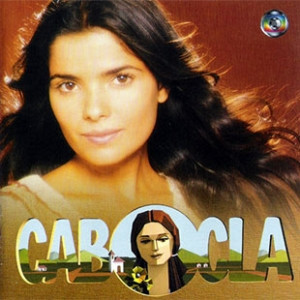
The central tension emerges in the contrast between this natural splendor and the narrator's specific need for solace. The refrain declares, "This beauty and much peace / Cabocla what I need only you bring me." The narrator finds in this "Cabocla" (a term often referring to a mixed-race woman, particularly of Indigenous and European descent, in Brazil) a unique source of peace that surpasses even the profound beauty of the natural world. The desire to stay "here with you" underscores this personal connection.
The writing skillfully uses natural imagery to amplify the narrator's feelings. The "water is born and runs / Goes snaking / Through the green forest / Quenching the thirst" mirrors the narrator's own yearning for fulfillment. Later, the comparison of the "ray of moonlight" to the "light that comes from your eyes" elevates the woman's gaze to a celestial level, suggesting her presence is more captivating than even the most beautiful natural phenomena. The "pink clouds" adorning the home further blend domestic comfort with ethereal beauty.
This lyrical approach is effective because it grounds abstract feelings of peace and love in tangible, evocative images. The narrator isn't just stating a feeling; they are showing how the woman's presence transforms the world, making even natural light pale in comparison to her gaze. The repeated desire to stay "with you" solidifies the idea that this specific connection is the ultimate source of the "beauty and much peace" the narrator seeks.
 View Artist