Song Meaning
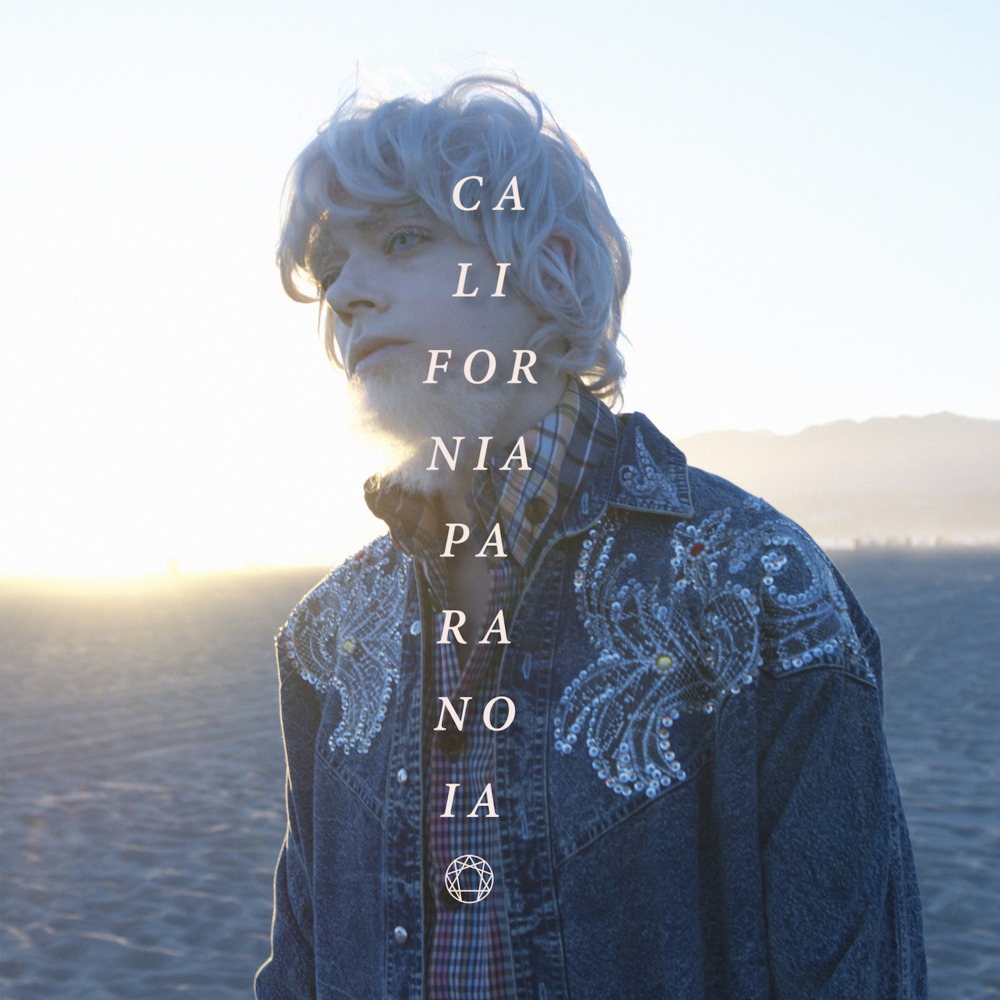
The narrator finds a hidden picture on their wall, previously covered by a "parasol," suggesting a deliberate attempt to conceal something. This act of uncovering sparks a feeling of "California paranoia," a specific anxiety tied to the seemingly perfect, yet potentially deceptive, environment of LA. The phrase "it never rains in LA" becomes a metaphor for a place where genuine emotional storms are suppressed or absent, contributing to this unease. The narrator questions what is being hidden, feeling trapped in this unsettling state.
The core tension arises from the contrast between the outward appearance of a "house of lucks" and the underlying hidden truths. The narrator's discovery of a "picture that was there before" implies a past reality that has been obscured. This revelation fuels the narrator's paranoia, making them question the authenticity of their surroundings and the motives of the person who covered the image. The repeated question, "what would you do?" highlights a sense of helplessness and a desire for guidance in navigating this manufactured reality.
The lyrics powerfully use the image of the "parasol" as a tool of concealment, shielding the narrator from a truth that is never revealed through "rain" or emotional catharsis. The shift in perspective in "now I can see the end of the girl / and the beginning of the world" suggests a painful awakening. This moment of clarity, though "worrisome," signifies a break from the illusion, allowing the narrator to perceive a larger, perhaps more indifferent, reality beyond the personal deception.
This song resonates because it captures the specific anxiety of a place that promises sunshine and happiness but breeds suspicion. The craft lies in its stark imagery and the direct accusation of concealment, creating a palpable sense of unease. The narrator’s plea, "how could you blame me for my California paranoia," makes their distrust feel justified, turning a personal feeling into a shared experience of navigating deceptive appearances.