Song Meaning
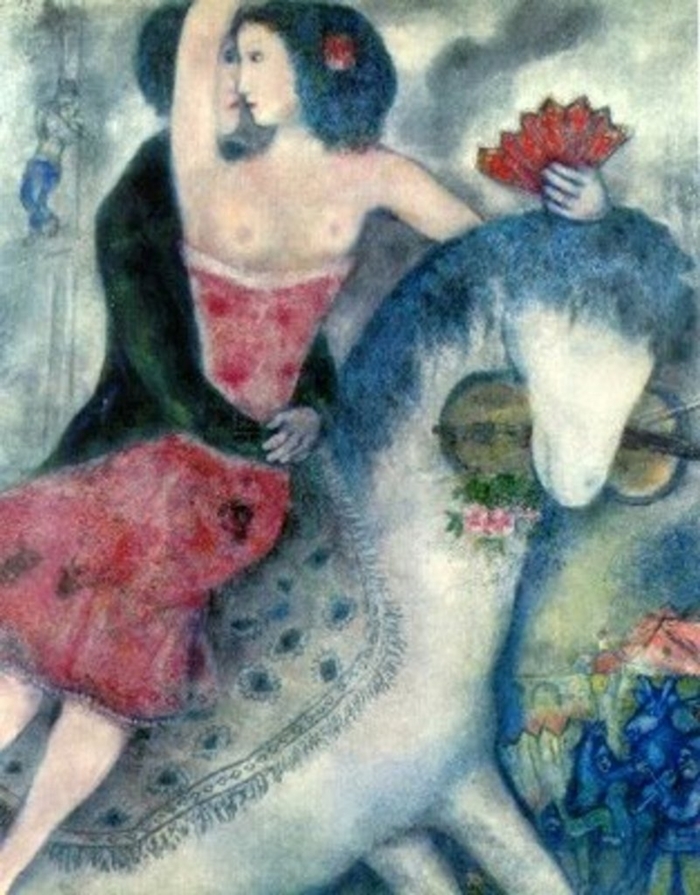
The lyrics open with a wonderfully absurd domestic warning: "Don't let that horse eat that violin cried Chagall's mother." This immediate, surreal image sets up a conflict between mundane concern and a burgeoning artistic vision. The artist, Chagall, simply "kept right on painting," choosing his creative impulse over his mother's caution. It's a swift, punchy introduction to a tale of artistic defiance.
The core tension here lies in the artist's refusal to conform, even to a mother's seemingly well-intentioned, if bizarre, advice. Chagall doesn't just ignore the warning; he directly incorporates it into his work, creating the very image of the horse with a violin in its mouth. This act isn't just rebellion; it's a profound statement that the very things others might deem disruptive or strange can become the wellspring of unique artistic expression and, notably, fame.
The genius of these lyrics lies in their playful literalism and the ultimate payoff of a clever pun. The narrative builds on the initial surreal image, with Chagall not only painting the scene but then literally "jumped up on the horse and rode it away waving the violin." This physical embodiment of his art, riding off into freedom, is a vivid, almost childlike fantasy. The final line, "And there were no strings attached," brilliantly encapsulates the entire theme, referring both to the instrument and the unburdened spirit of the artist.
What makes these lyrics resonate is how they champion uninhibited creativity and the joy of breaking free from conventional restraints. The journey from a mother's warning to an artist's triumphant ride, culminating in a generous, condition-free gift to a "naked nude," paints a vivid picture of liberation. It suggests that true artistic success and personal freedom often come from embracing the absurd, defying expectations, and ultimately, giving one's creations away without obligation.
 View Artist