Song Meaning
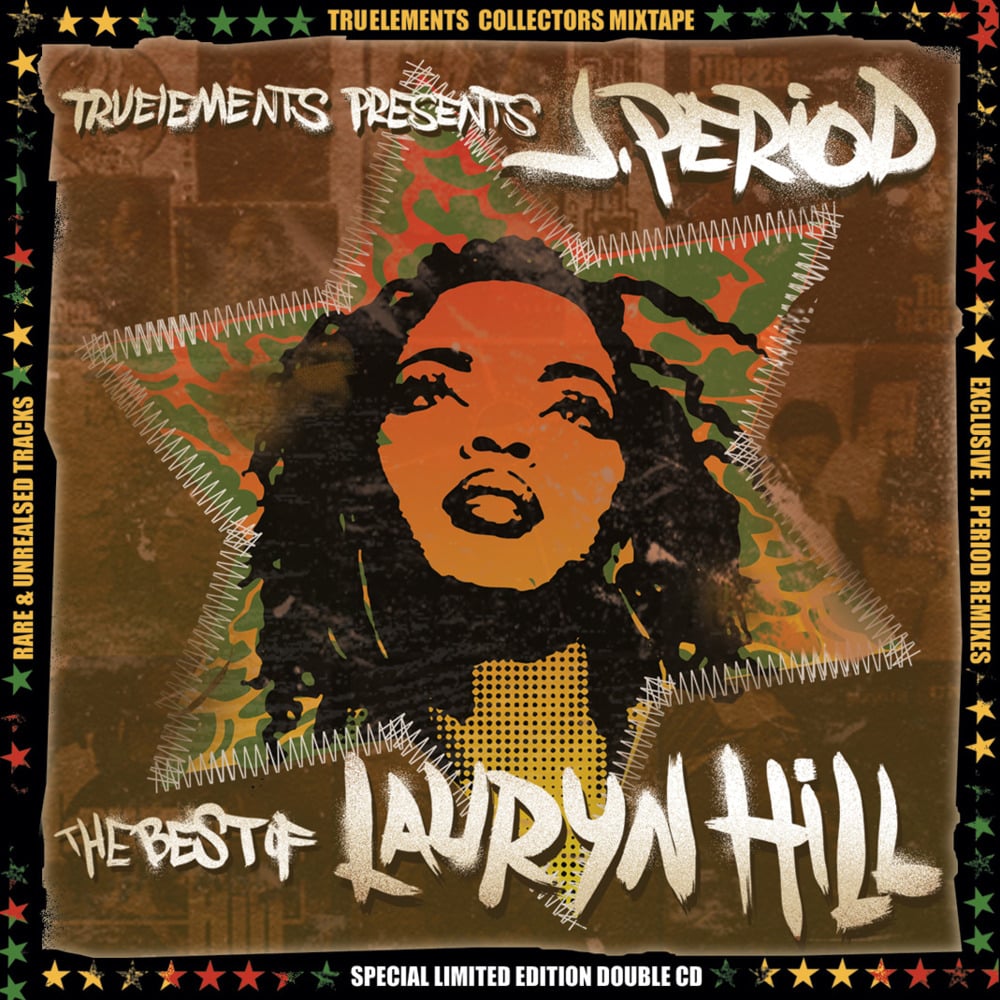
Lauryn Hill's "ARE" isn't a fully formed song as much as a raw, repeated plea, a stripped-down meditation on love's unrealized potential. The track, featuring J. Period, circles around a central, aching question: what if? What if "they" – a deliberately vague collective, perhaps representing society, past lovers, or even ourselves – had actually embraced love in its multifaceted forms? The repetition of "if they only" acts like a mantra, a desperate attempt to rewrite a history marked by love's absence or perversion. Hill isn't just lamenting a lack of romantic love; she seems to be addressing a deeper societal deficit, a failure to cultivate empathy, understanding, and genuine connection.
The lyrical construction emphasizes this cyclical yearning. The phrases build upon each other, each line a variation on the theme of missed opportunities. "Shown love, grown love, grave love" encapsulates the full life cycle of affection – from its initial expression to its nurturing and, finally, to its potential demise. Even the simple act of calling love "love" becomes a radical proposition, suggesting a world where even the basic definition has been corrupted or obscured. The "la-la-la-la-love" refrain, while seemingly simple, adds a layer of bittersweetness, a childlike echo of what love *should* sound like, contrasted against the harsh reality of what it is.
Ultimately, "ARE" functions as a haunting reminder of our collective failures. It's a challenge to confront the ways we've cheapened, ignored, or outright rejected love in its purest form. The song's brevity only amplifies its impact. It's not a fully realized argument, but a potent, unresolved question hanging in the air, daring us to imagine a world where love truly reigns. The collaboration with J. Period frames the song as a crucial piece of Lauryn Hill's artistic legacy, highlighting the ongoing relevance of her message.
 View Artist