Song Meaning
This song paints a picture of deep faith and unwavering hope, rooted in a personal relationship with Jesus. The narrator begins by acknowledging their own perceived smallness, "Eu sou tão pequenina," yet immediately aligns themselves with a strong religious identity, "Mas também sou pentecostal." This sets up a core tension: vulnerability met with spiritual strength. The central message is one of overcoming fear through divine companionship, promising victory with Jesus by their side. This isn't just passive hope; it's an active declaration of intent to conquer.
The driving force here is the belief in Jesus's sacrifice and its direct impact on the narrator's present life. The lyrics highlight Jesus's suffering for salvation, which in turn inspires the narrator's current state of joyful praise, "Eu hoje vivo cantando." The act of Jesus holding their hands, "Pois tu seguraste em minhas mãos," signifies a tangible, supportive presence that dispels any reason for fear. This personal connection transforms abstract faith into a source of immediate comfort and confidence.
The most striking element is the communal call to prayer in the final verse. The shift from a personal plea to an invitation, "Vamos orar meus irmãos," broadens the scope. It suggests that shared faith and prayer are powerful tools for receiving blessings and achieving victory, "Que se orarmos com fé / A vitória Jesus nos dará." This communal aspect reinforces the idea that individual strength is amplified through collective spiritual action, making the promise of victory feel even more potent and achievable.
Ultimately, the lyrics resonate because they articulate a clear path from perceived weakness to assured triumph. The direct address to Jesus, the acknowledgment of His sacrifice, and the communal call to prayer all build towards a powerful affirmation: "Eu sei que eu vou vencer." It's a testament to how faith can provide not just solace, but a concrete framework for facing life's challenges with courage and the expectation of success.
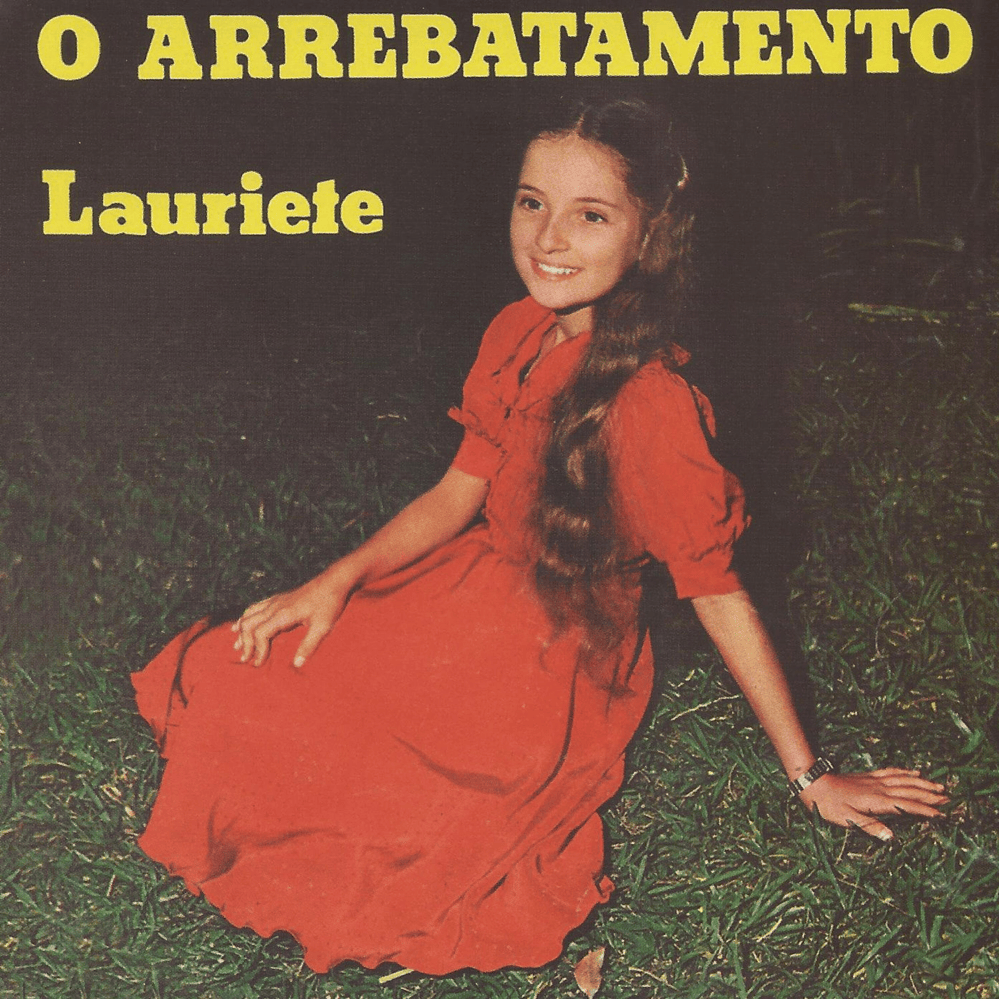
 View Artist