Song Meaning
This song casts the crucifixion of Jesus not as a distant historical event, but as a personal failing. The narrator immediately grounds the scene, placing Jesus "entre dois malfeitores" on "monte chamado caveira," a stark image of ignominy. The repetition of "Jesus foi crucificado" and the description of His suffering – "estarrecido e muito sofrido" – build a somber picture. Yet, the true weight lands in the final line of the first verse: "E o culpado fui eu."
The chorus hammers this point home with relentless repetition: "E o culpado fui eu / Prenderam Jesus, mataram Jesus / E o culpado fui eu." This isn't a theological treatise on sin; it's a raw, almost childlike confession of personal responsibility for the ultimate sacrifice. The simple, declarative statements strip away complex doctrine, leaving only the stark emotional truth of the narrator's perceived guilt. It's a direct accusation leveled at the self, amplified by the insistent rhythm.
The second verse shifts to the resurrection and Jesus's current role "intercedendo / Pelos servos seus," offering a glimmer of hope and a call to remember God's "ordens." However, this theological resolution doesn't erase the narrator's initial confession. The resurrection confirms Jesus's divine nature and victory, but the narrator's personal culpability for His death remains, a persistent echo that the final chorus brings back with full force. The lyrics suggest that even with divine triumph, the weight of individual action, or inaction, can feel immense.
What makes these lyrics so potent is their refusal to abstract the event. By centering the narrative on the narrator's direct, personal guilt – "E o culpado fui eu" – the song transforms a monumental religious story into an intimate, almost unbearable burden. The contrast between the divine victory of the resurrection and the narrator's enduring sense of personal blame creates a powerful emotional tension that lingers long after the music stops.
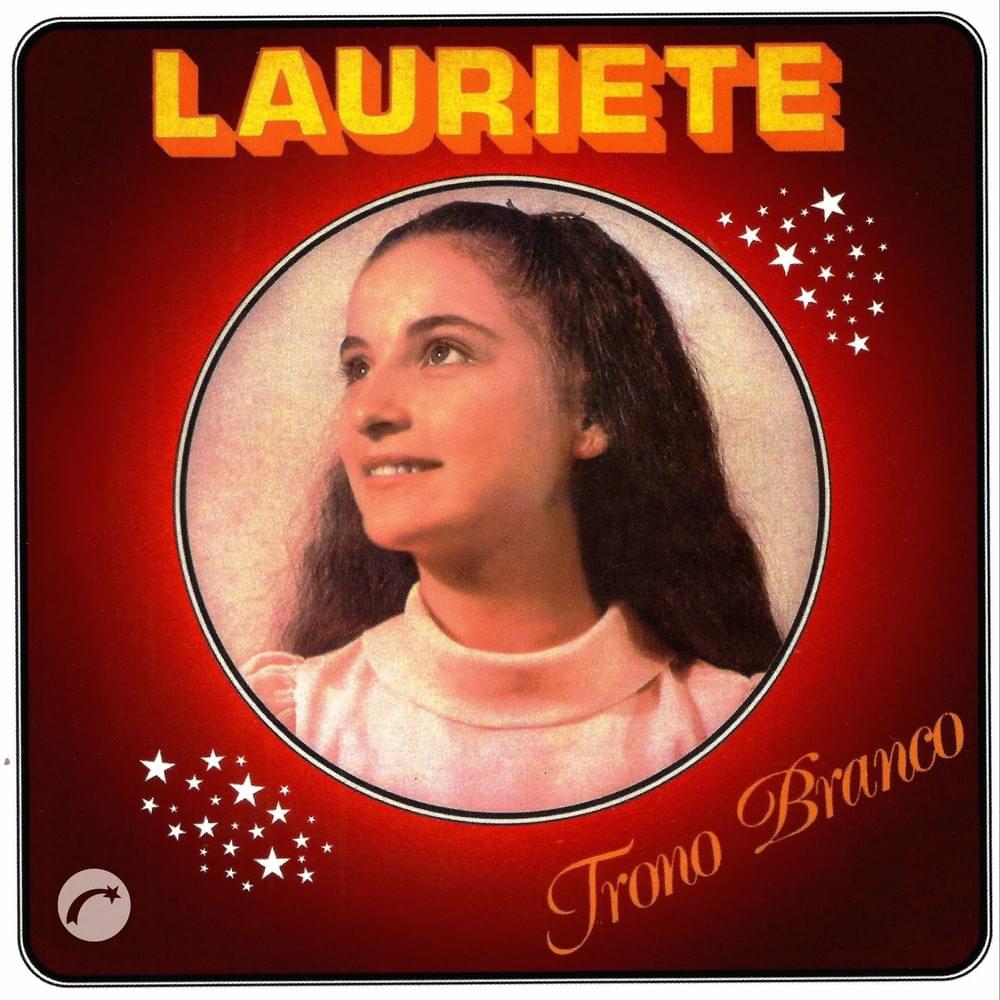
 View Artist