Song Meaning
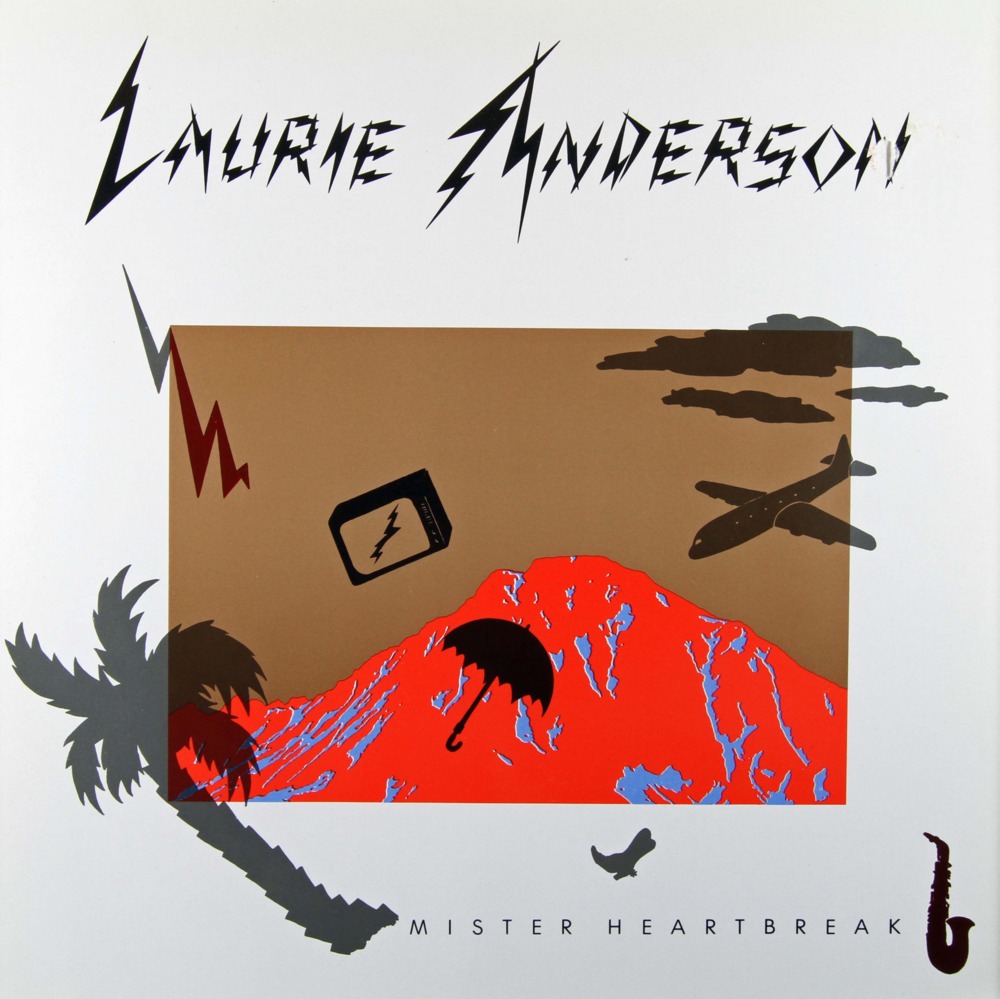
Laurie Anderson's "И ночь, и день, и следующая ночь (And Night, and Day, and the Next Night)" unfolds like a fragmented, late-night transmission from the American subconscious. The setting sun, described with a starkly mundane "big bald head," establishes a sense of decline and the fading of clarity. This imagery is immediately juxtaposed with the introduction of "Sharkey," a figure shrouded in mystery and perhaps a touch of menace. Is Sharkey a person, a symbol, or a state of mind? The manager's evasiveness hints at something hidden, a presence that is both there and not there, a kind of anti-protagonist lurking just beyond reach.
The core of the song revolves around Sharkey's monologue, a surreal and unsettling expression of self-perception and fragmentation. His words to "kemosabe" and "sport" suggest familiarity, but also a distance, as if he's addressing aspects of himself or perhaps the listener as a stand-in. The image of two tiny versions of himself in the other person's eyes, mirroring his actions, speaks to a profound alienation and a loss of control. This could be interpreted as a commentary on the pervasive influence of media and technology, where our identities are constantly reflected and refracted back at us, driving us "crazy" with a sense of disembodiment.
The final lines, "Deep in the heart of darkest America, home of the brave," dripping with irony, cement the song's critique of American identity. Sharkey's invitation to "Listen to my heart beat" is a desperate plea for connection, a search for authenticity in a world saturated with artifice. The concluding call for Mr. Sharkey on the "white courtesy telephone" reinforces the sense of detachment and bureaucratic indifference, leaving the listener with a lingering unease about the fate of Sharkey and, by extension, the state of the American soul. Laurie Anderson's lyrics create a portrait of a fractured psyche struggling to reconcile with a culture that both celebrates and consumes the individual.