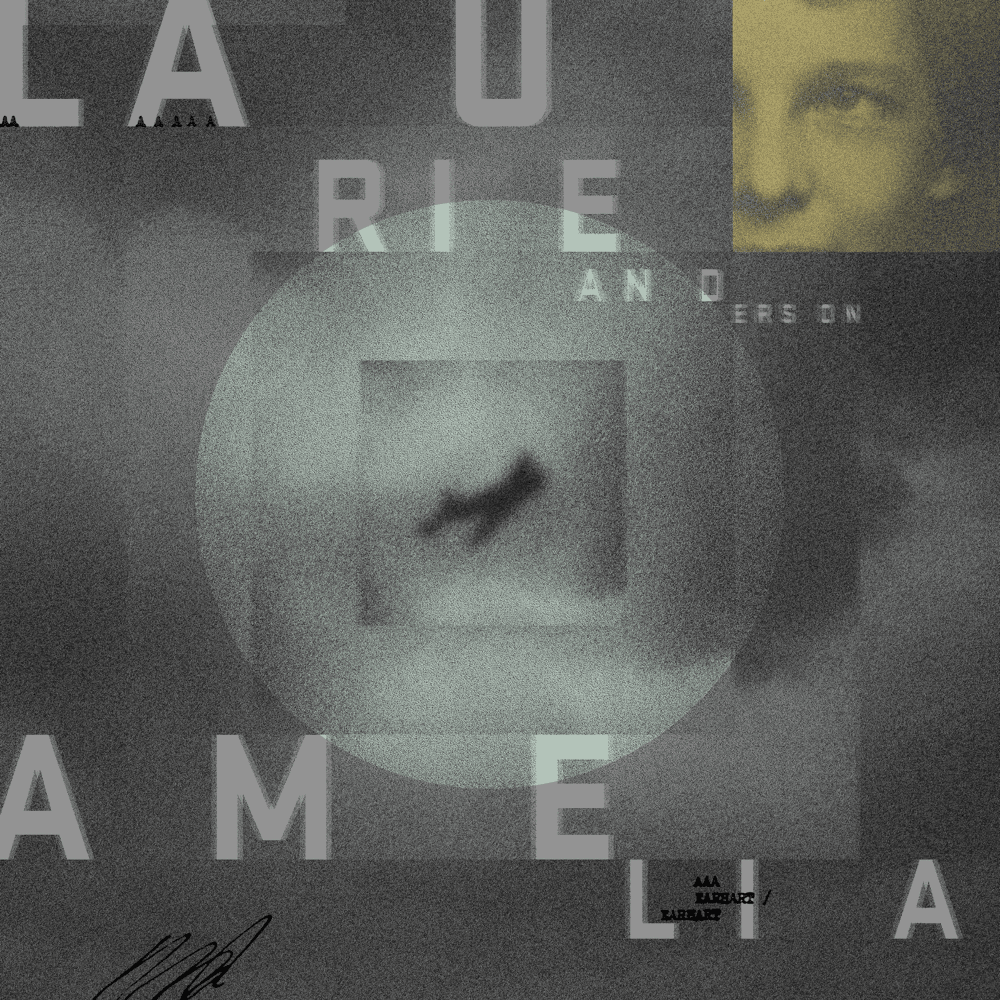
Song Meaning
Laurie Anderson's "Radio," a stark and unsettling soundscape, isn't so much a song as it is an audio ghost story. The sparse lyrics, a series of clipped radio transmissions between two aircraft, Electra and Itasca, paint a picture of disorientation and impending doom. The phrase "We must be near you but cannot see you" echoes with a chilling sense of proximity and simultaneous disconnection, a feeling amplified by ANOHNI's haunting vocal interjections. The repetition of "Cannot hear you, cannot see you" drills into the listener's psyche, suggesting a breakdown in communication that transcends the technical. It's a primal fear made sonic.
Analyzing the song's meaning requires acknowledging its inherent ambiguity. The context is everything. Is this a literal depiction of a plane crash scenario, or a metaphor for something more profound? The ambiguity is the point. The failing communication can be interpreted on multiple levels: the breakdown of relationships, the failure of technology to connect us, or even the inability to perceive the world around us clearly. The mention of low gas and altitude of one thousand feet introduces the element of impending disaster, a slow-motion catastrophe unfolding in real-time.
Anderson masterfully uses the radio transmission format to create a sense of detachment and unease. The sterile language contrasts sharply with the palpable sense of dread, highlighting the limitations of language and technology in the face of existential crisis. The constant repetition, the increasingly desperate attempts to connect, ultimately underscore the futility of their efforts. "Radio" becomes a chilling meditation on isolation, the fragility of connection, and the unsettling possibility that we are all, in some way, lost in the static.