Song Meaning
Laurie Anderson's "Money Ink" isn't so much a song as a pointed cultural artifact, a sonic sculpture built from layers of irony and unsettling truth. The spoken intro immediately sets the stage: a chillingly detached announcement of a plan to inundate a foreign country with both useful and useless objects, all in the name of proving the supposed freedom that birthed them. It's a stark, cynical commentary on American exceptionalism and the insidious ways in which cultural and economic dominance are projected onto the world stage. The phrase "odd objects" hints at a deeper critique, suggesting that even seemingly benign exports can carry hidden ideological baggage, subtly shaping the recipient culture in the image of the sender.
The subsequent assertion that the U.S. "helps, not harms" developing nations by exploiting their resources drips with sarcasm. Anderson doesn't need to spell it out; the listener is left to grapple with the inherent contradiction, the uncomfortable reality that altruism and self-interest are often inextricably intertwined in global power dynamics. The "natural resources and raw materials" become stand-ins for the very lifeblood of these nations, a constant reminder of the neo-colonial relationships that persist under the guise of aid and development.
Ultimately, "Money Ink" functions as a kind of sonic mirror, reflecting back the distorted image of American foreign policy. It’s a challenge to examine the motivations behind acts of generosity, to question the narrative of benevolent intervention, and to recognize the subtle forms of control embedded within seemingly harmless exchanges. Anderson's work, at its core, forces us to confront the uncomfortable truth about the price of freedom and the ink with which global power is written.
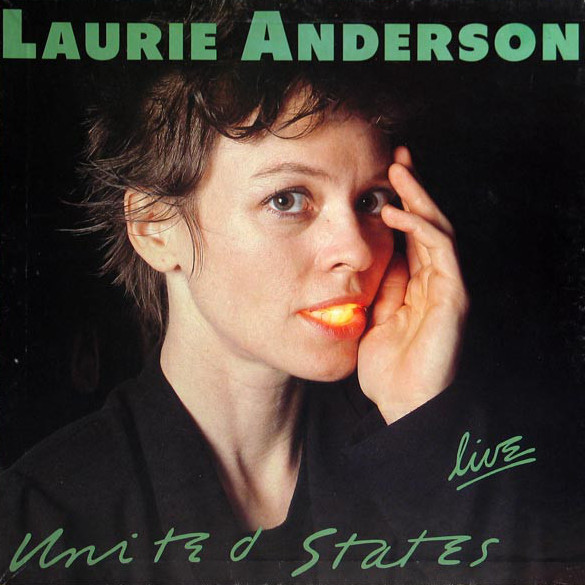
 View Artist