Song Meaning
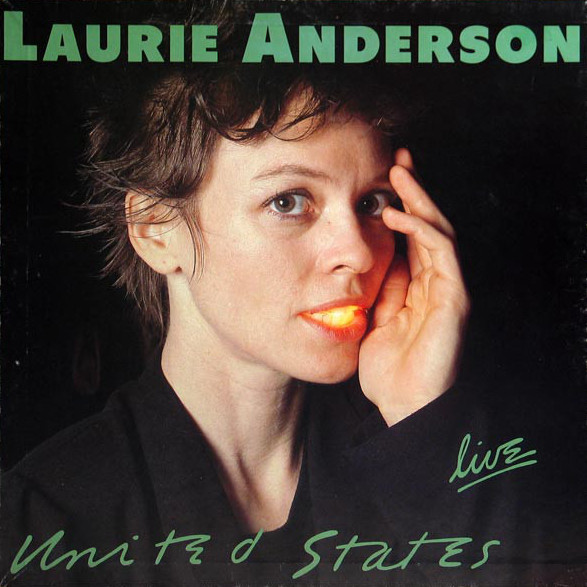
Laurie Anderson’s "Frames for the Pictures" isn’t so much a song as a miniature, absurdist theater of the mind. It's a spoken-word piece, a brief vignette, a dream logic puzzle presented with deadpan delivery. The lyrics, a simple recounting of a dream, become a portal into the subconscious, where the bizarre and the mundane intertwine with unsettling ease. Anderson doesn't offer explanations; she presents the image, leaving us to grapple with its implications. The power lies not in what it *means*, but in how it *feels*.
The dream itself is a layered construction. A mother figure, the ultimate symbol of nurturing and influence, is engaged in a strange, repetitive act: meticulously crafting frames for pictures of hamsters. Some hamsters are pets, others are merely background details. This juxtaposition of the intimate and the anonymous, the cared-for and the overlooked, creates a sense of unease. The use of cedar chips, the detritus of hamster cages, as the framing material is particularly evocative. It suggests a life lived in confinement, a world reduced to the scale of a small, furry creature.
The final revelation – that this bizarre activity is the mother's roundabout way of encouraging structuralist filmmaking – adds another layer of absurdity. It's a moment of meta-commentary, a wink at the audience. Structuralist film, known for its focus on form and process over narrative, mirrors the mother's repetitive, almost meaningless task. Anderson seems to be suggesting that art, like dreams, can be found in the most unexpected places, in the obsessive repetition of seemingly trivial acts. The song’s meaning, therefore, resides in the space between the image and its interpretation, a space filled with humor, unease, and the haunting echo of the subconscious.
 View Artist