Song Meaning
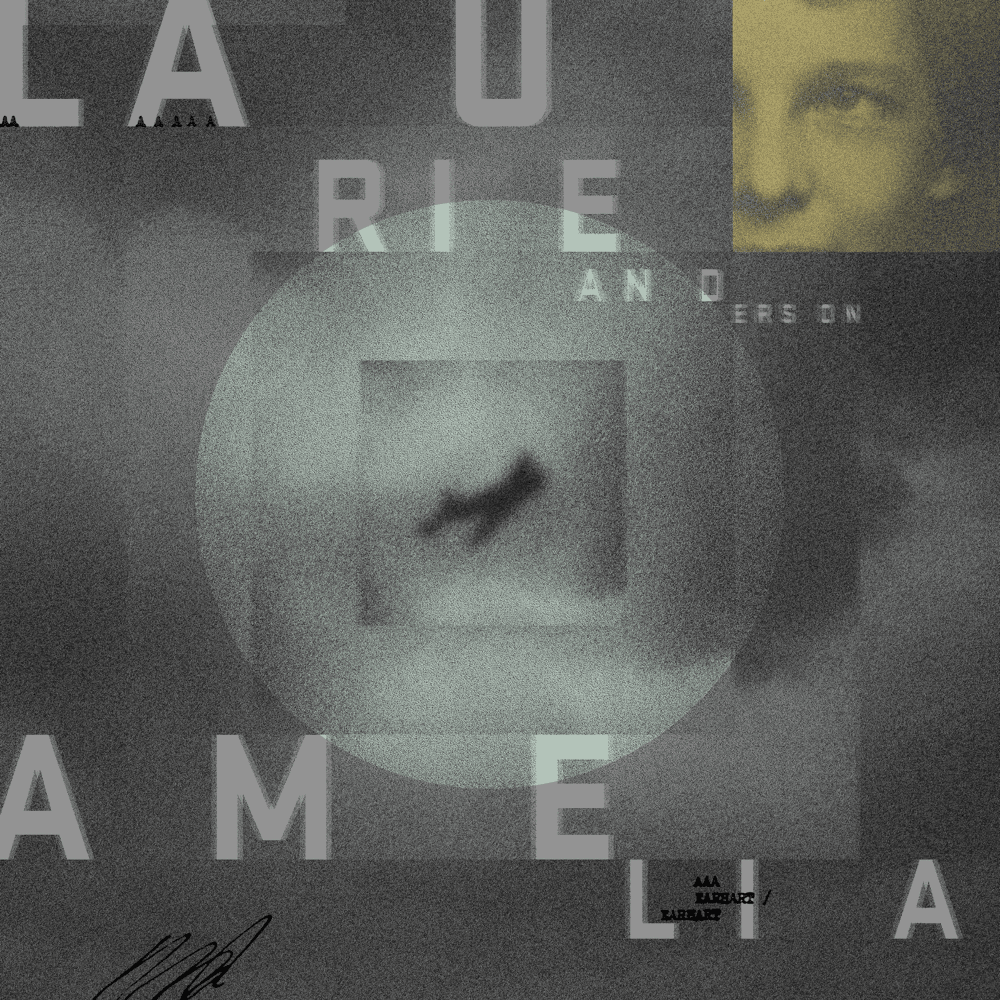
Laurie Anderson's "Fly Into the Sun" isn't just a song; it's a sonic poem, a fragmented meditation on ambition, self-destruction, and the myth of American heroism. Through stark imagery and clipped phrases, Anderson conjures a disquieting atmosphere of impending doom, filtered through the lens of Amelia Earhart's disappearance and the broader anxieties of a nation grappling with its own identity. The opening lines place us immediately in a state of disorientation, "Mid-Pacific/ Location unknown," mirroring the uncertainty and vulnerability at the heart of the song's protagonist, who is both a pilot and a stand-in for a culture hurtling towards an unknown future.
The lyrics hint at a complex interplay of performance and reality. The line "Smiling for the photographers/ 'Hey! Lady Lindy!'" suggests a pressure to conform to a pre-existing narrative, a forced optimism in the face of potential disaster. The subsequent admission, "I don't even have my own name," underscores the erasure of individual identity within the grand spectacle of American exceptionalism. The repeated refrain, "I'm going to fly into the sun/ Drop down through the air into the sea," is not merely a literal description of a plane crash but a metaphor for the allure of self-annihilation, a desire to escape the constraints of expectation and societal pressure. This yearning for oblivion is further amplified by the Shakespearean reference to "Full fathom five thy father lies," evoking a sense of profound loss and the inescapable pull of the abyss.
Anderson layers in references to Allen Ginsberg's "America," further complicating the song's thematic landscape. Ginsberg's question, "America, why are your libraries full of tears?" acts as a critical counterpoint to the idealized vision of American progress, suggesting a deep-seated sorrow and disillusionment lurking beneath the surface. The final lines, "This is pilot Amelia Earhart/ KHAQQ," serve as a chilling sign-off, a reminder of the real-life tragedy that informs the song's exploration of ambition, sacrifice, and the dark side of the American dream. "Fly Into the Sun" ultimately becomes a haunting commentary on the seductive nature of self-destruction, framed within the context of a nation's complex and often contradictory relationship with its own mythology.
 View Artist