Song Meaning
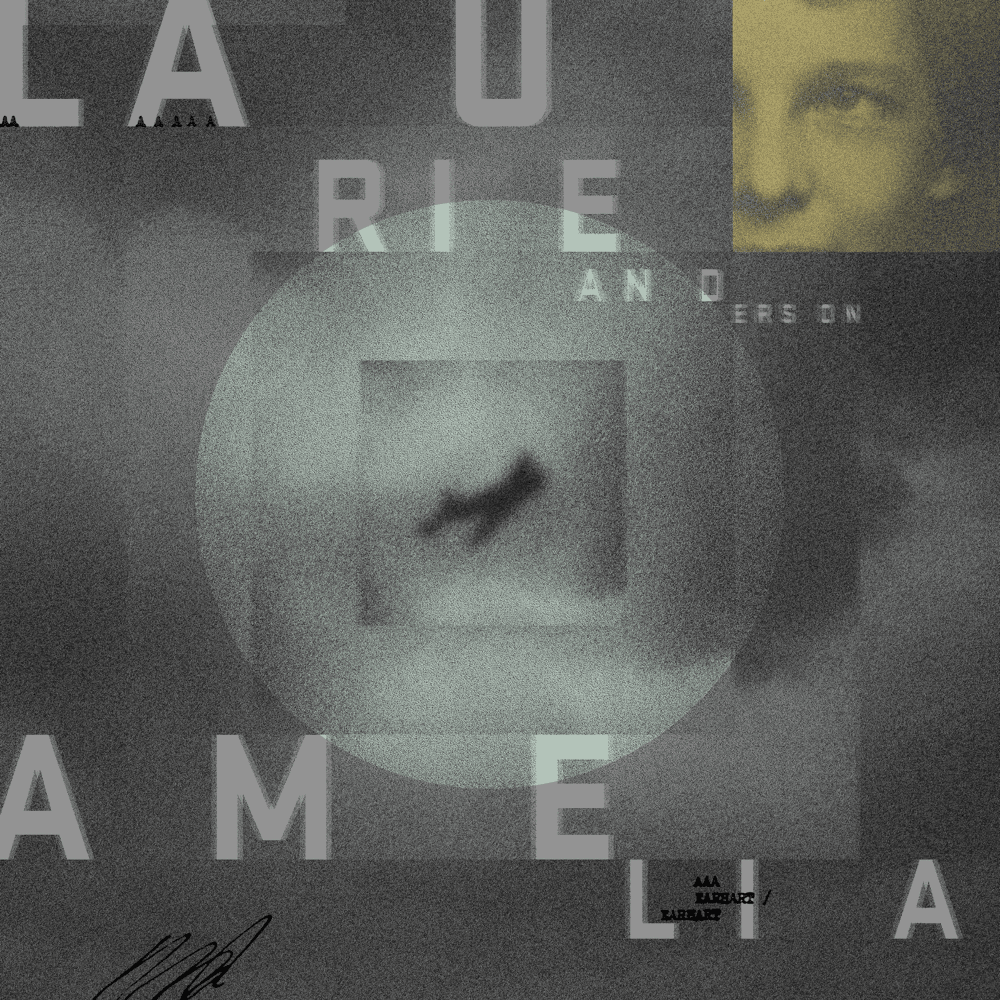
Laurie Anderson's "Grime Scene Saviours" unfolds as a stark, almost cinematic fragment, a sonic snapshot of disquieting liminality. The track eschews traditional song structure, opting instead for a collage of sensory details, placing the listener directly into a moment of intense, uncertain transit. The opening lines, pinpointing 'June 7th, Brazil,' immediately ground the listener in a specific place and time, yet this specificity is quickly undercut by the unsettling ambiguity of what follows. The 'wet grass' and 'takeoff in total darkness' evoke a sense of precariousness, a journey beginning under inauspicious circumstances. This is not a triumphant launch, but something far more vulnerable. The navigator asleep suggests a loss of control, a reliance on forces beyond human intervention. The dirty gray sea and radio static further amplify the feeling of unease, hinting at a world where technology and human skill offer little solace. The phrase 'Grime Scene Saviours' acts as ironic counterpoint, implying a search for rescue within a polluted or corrupted environment.
The repetition of 'We drop, we're dropping down' introduces a palpable sense of anxiety. This isn't a controlled descent, but a freefall into the unknown. The imagery becomes increasingly surreal, as 'shredding the clouds' suggests a violent disruption of the natural order. Anderson's work often explores the intersection of technology and the human condition, and here, the aircraft becomes a metaphor for our reliance on systems that can both elevate and endanger us. The sky, usually a symbol of limitless possibility, is re-imagined as a complex, almost urban landscape with 'many avenues and streets.' This suggests a labyrinthine path, where navigation requires specialized knowledge and perhaps a degree of insider access. It's a stark contrast to the open expanse we typically associate with flight.
Ultimately, the song resists easy interpretation. It functions less as a narrative and more as a mood piece, capturing a moment of existential dread and disorientation. It prompts questions about control, vulnerability, and the search for meaning in a world increasingly defined by technological mediation and environmental degradation. The absence of a clear resolution leaves the listener suspended in a state of uncertainty, mirroring the precariousness of the journey itself. Laurie Anderson, through this brief but potent soundscape, encapsulates a distinctly contemporary anxiety: the feeling of being adrift in a world where even the sky has become a complex and potentially dangerous urban space.
 View Artist