Song Meaning
The narrator presents a facade of toughness, admitting only mascara as a concession to vulnerability. Yet, this carefully constructed exterior crumbles when faced with two specific triggers: sad songs and a particular person. These aren't just emotional weak spots; they're the sole conduits for genuine feeling, the only things that elicit tears and capture the narrator's full attention. The lyrics establish a stark contrast between outward resilience and the profound impact of these two elements.
The central tension lies in the narrator's dual fixation. Both sad songs and 'you' occupy the same mental space, described as things that 'stay stuck on my mind' and are 'drink[en] up like cherry wine.' This suggests an addictive, consuming quality to both. The narrator even claims that 'nothing knows my lonely like you do,' elevating this person to a unique position, capable of understanding a depth of isolation that even the most melancholic music cannot fully capture, though it comes close.
The craft here hinges on a powerful, almost absurd, parallel. The narrator claims that 'karaoke don't do it for me' and 'no Gibson six-string strikes a chord' like watching 'you playin' yours.' This elevates the personal connection to a level that surpasses even the catharsis of music itself, while simultaneously linking the two. The 'sad songs' are not just a preference; they are a benchmark against which the narrator measures the intensity of their feelings for this person. The repeated phrase 'The only things...' hammers home this exclusivity, creating a potent sense of devotion.
Ultimately, the effectiveness of these lyrics stems from their raw, unvarnished honesty about emotional vulnerability. By framing intense personal feeling through the lens of universally understood triggers like sad music, the narrator makes their specific obsession feel both deeply personal and strangely familiar. The admission of being a 'fool' who keeps coming back underscores a willingness to endure pain for the sake of this connection, making the narrator's singular focus on 'sad songs and you' a compelling portrait of devoted, perhaps even masochistic, affection.
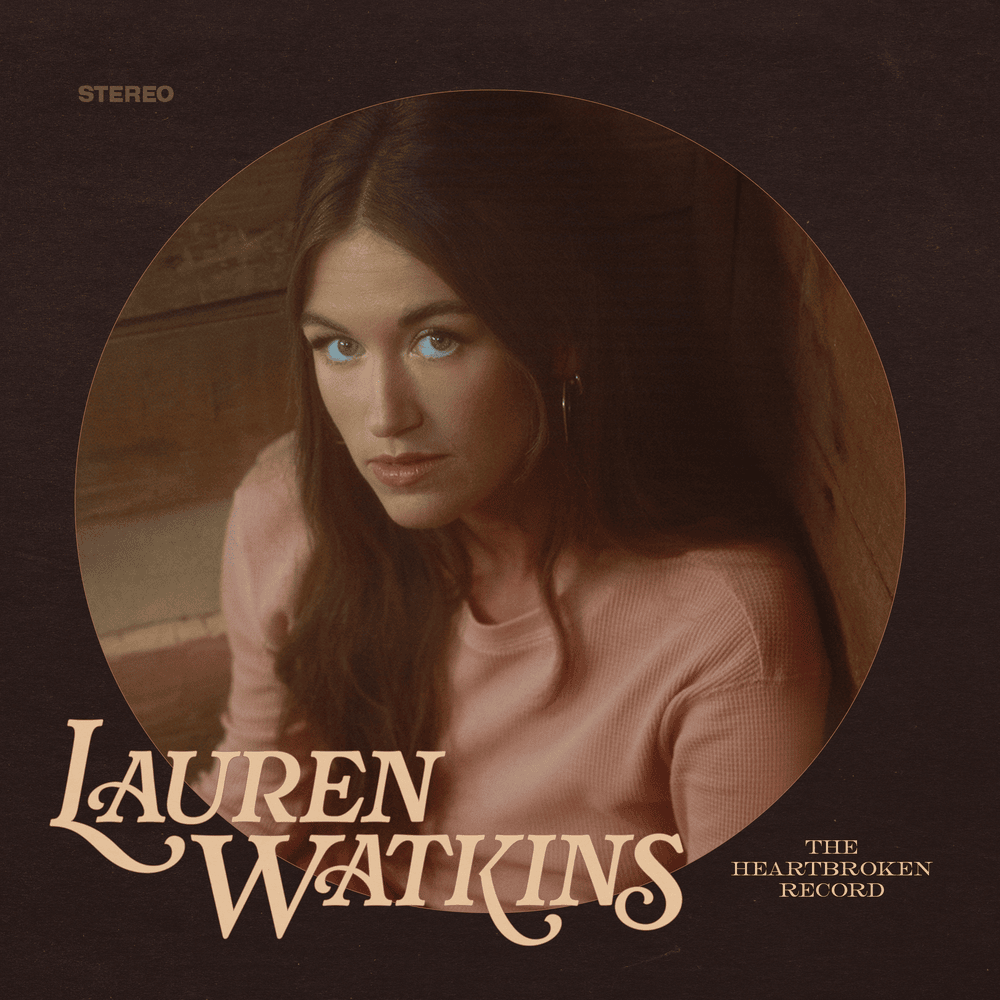
 View Artist