Song Meaning
The lyrics paint a stark picture of a life under siege, not by overt conflict, but by the slow, crushing weight of systemic hardship. The opening questions about dreams and safety immediately establish a sense of vulnerability and displacement. The narrator watches their life "slowly unravel," a chilling image that suggests a loss of control as "years of poverty finally clench in." This isn't a sudden catastrophe, but a gradual erosion, leaving the listener to ponder the desperate question: "How are you going to get out of this?"
The core tension lies in the contrast between moments of profound personal revelation and the destructive forces that seem to accompany them. A place of "epiphanies" is also where "a part of me died," suggesting that growth or understanding comes at a terrible cost. The phrase "Always in crisis, sung in Polari" hints at a hidden language or coded communication of suffering, a way to articulate pain that might otherwise be silenced. The act of swinging "trauma like an analogy" reveals a coping mechanism, turning deep personal wounds into something abstract, perhaps to make them bearable or to explain them to others.
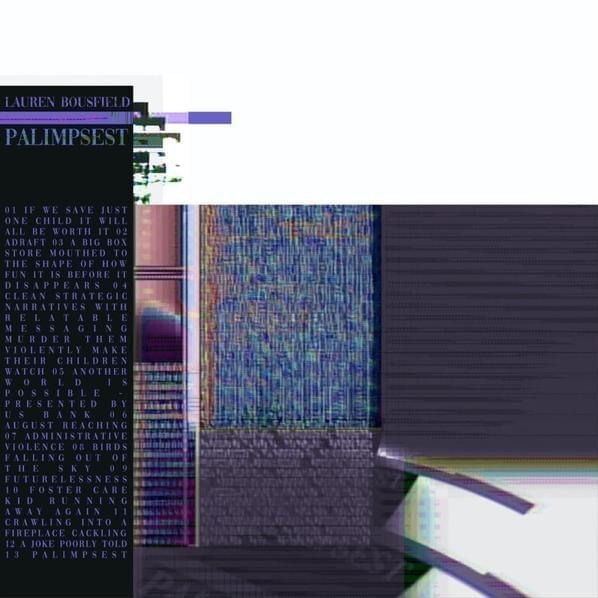
The most striking element is the repeated refrain, "Administrative violence / Another empty woman in me." This phrase powerfully connects personal desolation to impersonal, bureaucratic systems. The "administrative violence" suggests a form of harm inflicted by policies, regulations, or societal structures that leave individuals feeling hollowed out. The repetition of "Another empty woman" underscores a sense of recurring loss and the dehumanizing effect of these external forces, reducing a complex identity to an "empty" vessel.
What makes these lyrics resonate is their unflinching portrayal of a specific kind of despair. It’s not just personal failure, but a feeling of being acted upon by unseen, uncaring systems. The lyrics avoid easy answers, instead focusing on the raw experience of watching one's life fray at the edges and the internal struggle to make sense of it all. The juxtaposition of intimate suffering with the coldness of "administrative violence" creates a potent emotional impact, highlighting the ways external forces can hollow out the individual.
 View Artist