Song Meaning
The lyrics paint a disorienting picture of a familiar, yet unsettling, internal state. The opening lines immediately establish a sense of dread, describing a part of the self as being "in a death, so familiar." This suggests a recurring pattern of emotional or psychological decline that the narrator recognizes but can't escape. The introduction of a "Geist girl" on the breath and a world without "conclusions left" amplifies this feeling of being adrift, where clear endings or resolutions are impossible, and a ghostly presence lingers.
This sense of aimlessness fuels a central tension between connection and isolation. The narrator states, "We're talking through it never," implying communication that fails to reach its intended destination or resolve anything, a constant state of near-understanding that never solidifies. This is juxtaposed with the desire to "make a world and hide away," a retreat from external pressures. However, the presence of an "audience" that "turns us into monsters" suggests that even in attempted isolation, external judgment or observation corrupts the self, making genuine connection or escape impossible.
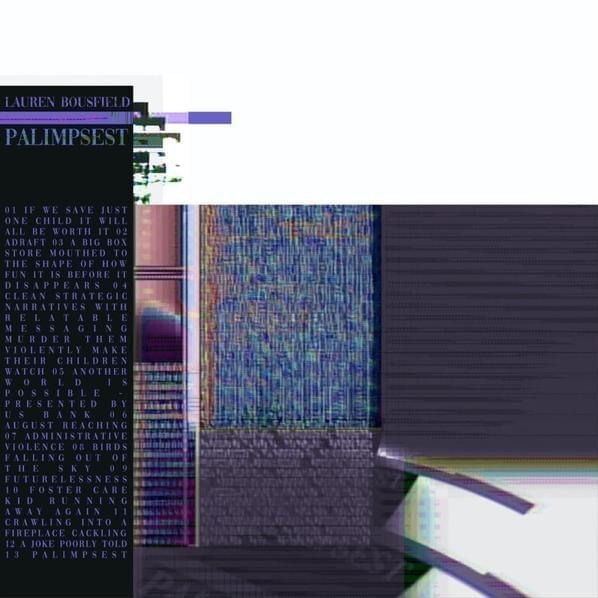
The most striking element is the repeated, almost incantatory question: "Do you know, do you know the opposite of poetry?" This isn't just a rhetorical query; it functions as a desperate plea for definition in a world that feels devoid of meaning or beauty. Poetry often represents clarity, emotional truth, and profound expression. Its opposite, as implied by the surrounding lyrics, might be a sterile, meaningless existence, a state of being "mouthed to the shape of how fun it is before it disappears," as the song title suggests—a hollow imitation of joy that inevitably fades. The command "Take me down a notch" echoes this desire for a less overwhelming, perhaps less painful, reality, a surrender to the void.
Ultimately, these lyrics resonate because they capture a specific kind of modern anxiety: the feeling of being overwhelmed by a world that offers superficial promises of connection and happiness, while simultaneously feeling fundamentally disconnected and unable to articulate one's own experience. The fragmented thoughts and the haunting refrain create an atmosphere of existential unease, making the listener question the very nature of meaning and communication when faced with an internal "death" that feels so deeply ingrained.
 View Artist