Song Meaning
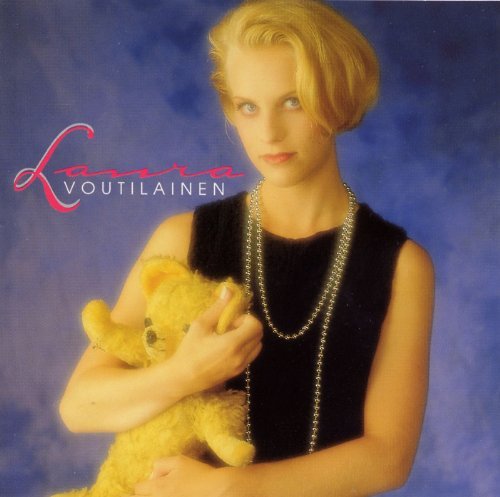
Laura Voutilainen's "Kyynelvirta" (translated as "River of Tears") is a raw, exposed nerve of a song about emotional dependency and the desperate yearning for a rescuer. The central metaphor of the 'river of tears' paints a vivid picture of being consumed by sorrow, trapped in a cycle of weeping that feels inescapable. The plea, 'Pelasta minut' ('Save me'), underscores a feeling of being overwhelmed, drowning in this self-generated deluge. The repetition of 'Kyynelvirta, jдlleen sen vangiksi jддn' ('River of tears, again I remain its prisoner') emphasizes the cyclical nature of the despair, hinting at a pattern of reliance and potential codependency. The singer isn't merely sad; she's imprisoned by her sadness. The lyrics suggest a psychological state where the individual feels powerless against their own emotions.
The song's core hinges on the repeated declaration, 'Oot ainut mahdollisuus' ('You are the only possibility'). This isn't just a romantic sentiment; it's a stark admission of reliance on another person for emotional regulation. The singer projects an almost messianic role onto this individual, viewing them as the sole source of salvation from the 'river of tears.' This idealization borders on unhealthy dependence. The line, 'Vain kanssas lцydдn vastarannan' ('Only with you I find the opposite shore'), further cements this idea. The 'opposite shore' represents a haven from the emotional storm, a place reachable only with the help of this singular person. The repeated request 'Siis tule luoksein mun, kдden annan' ('So come to me, I give my hand') is a vulnerable offering, but it also carries a subtle undercurrent of demand.
Ultimately, the song meaning of "Kyynelvirta" resides in this tension between vulnerability and dependence. Laura Voutilainen's lyrics capture the intense desire for connection and rescue, but also exposes the potential pitfalls of placing one's emotional well-being entirely in the hands of another. The 'river of tears' becomes not just a symbol of sadness, but also a reflection of a deeper psychological pattern—a yearning for external validation and a fear of navigating emotional turmoil alone. The song resonates because it taps into a universal human experience: the search for solace in a world that often feels overwhelming, and the delicate balance between seeking support and maintaining emotional autonomy.
 View Artist