Song Meaning
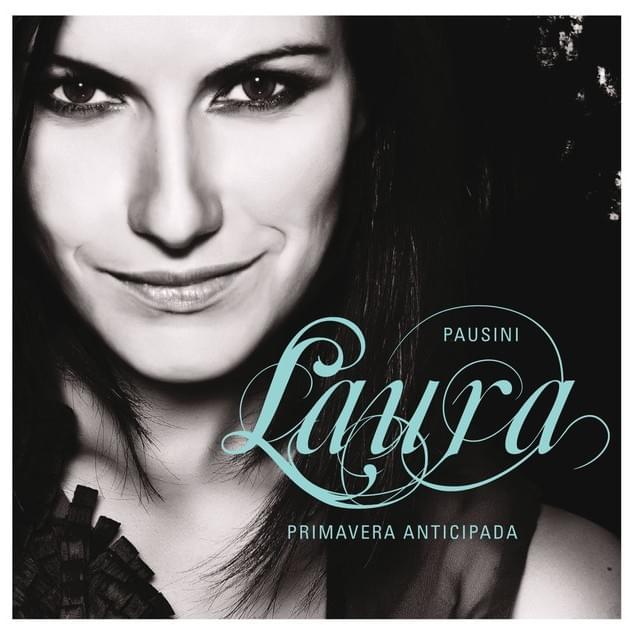
Laura Pausini's "Un Hecho Obvio" isn't just a love song; it's an assertion of undeniable connection in the face of stubborn denial. The song meaning hinges on the tension between what *is* and what one party refuses to acknowledge. She directly addresses a lover entrenched in resistance ("Inutil que ahora ya / Te obstines en el no / Negando un hecho obvio"), attempting to dismantle their defenses. It's a plea for vulnerability, masked in a confident declaration of mutual need. The psychology at play is clear: a dance of push and pull, where one partner clings to self-preservation while the other extends an unwavering hand. Pausini isn't begging; she's stating a truth.
The core of the song rests on the paradox of a beautiful burden. The lyrics "Porque, mientras que te quedes / Seras tu el mas bello de mis males" paint a vivid picture of a relationship laced with complexity. This isn't saccharine devotion; it's a recognition that love can be both a source of joy and pain. She acknowledges the inherent difficulties but frames them as a worthwhile price. The comparison to "oro por las manos" (gold in my hands) further elevates this idea, suggesting that even with its weight and potential for complications, the relationship is invaluable.
Ultimately, "Un Hecho Obvio" transcends simple romantic yearning. It delves into the complexities of human connection, the struggle against vulnerability, and the acceptance of imperfections within a relationship. Pausini's assertion that admitting the obvious ("Admitirlo bastar") is enough speaks to the power of honesty and the potential for healing. The repeated promise to "ser lo mismo por ti" underscores a commitment that goes beyond fleeting passion, suggesting a deep, unwavering loyalty that seeks to overcome any obstacle. In a world often defined by superficiality, Pausini champions the power of facing uncomfortable truths and embracing the messy, beautiful reality of authentic love.
 View Artist