Song Meaning
{"song_id": 15530466, "meaning": "Laura Pausini's \"Un error de los grandes\" isn't just a song; it's a masterclass in emotional reckoning, dissecting the aftermath of a relationship built on deception. The initial verses paint a stark picture of disillusionment. The singer acknowledges the 'troubles you cause,' recognizing that her eyes – once pools of adoration – have become 'two islands where you no longer travel.' This is a powerful image of emotional distance, suggesting a chasm has formed, unbridgeable by apologies or promises. Pausini lays bare the sting of betrayal, admitting she was willing to believe in a false image, even without a mask. The core of \"Un error de los grandes\" explores the painful realization of having fallen for a grand mistake, a monumental error in judgment. It's not just about the heartbreak; it's about the self-reproach that follows.
The chorus, with its repeated declaration of 'Un error de los grandes' ('A mistake of the great ones'), becomes an anthem of self-awareness. There’s a palpable anger ('Que rabia que me da' – 'What anger it gives me') directed not just at the deceiver, but at herself for succumbing to the illusion. The lyrics, 'The trap in which I fell without a net,' highlight the vulnerability and recklessness that often accompany the intoxicating early stages of love. The metaphor of the 'depressed angel who no longer flies' suggests a loss of innocence and optimism, a sense of being grounded by the weight of the relationship's failure.
However, the song avoids simplistic victimhood. The lines 'I contradict myself with my kisses, I already know' and 'Turn off all the lights, because that's how I go crazy for you' reveal a complex internal conflict. Pausini acknowledges her own complicity in the dynamic, hinting at a magnetic pull towards the very person who hurts her. It's a testament to the messy, irrational nature of human relationships, where desire and self-preservation often clash. \"Un error de los grandes\" doesn't offer easy answers or a clean resolution; instead, it captures the raw, unflinching truth of a love gone wrong, a mistake so colossal it leaves an indelible mark."}
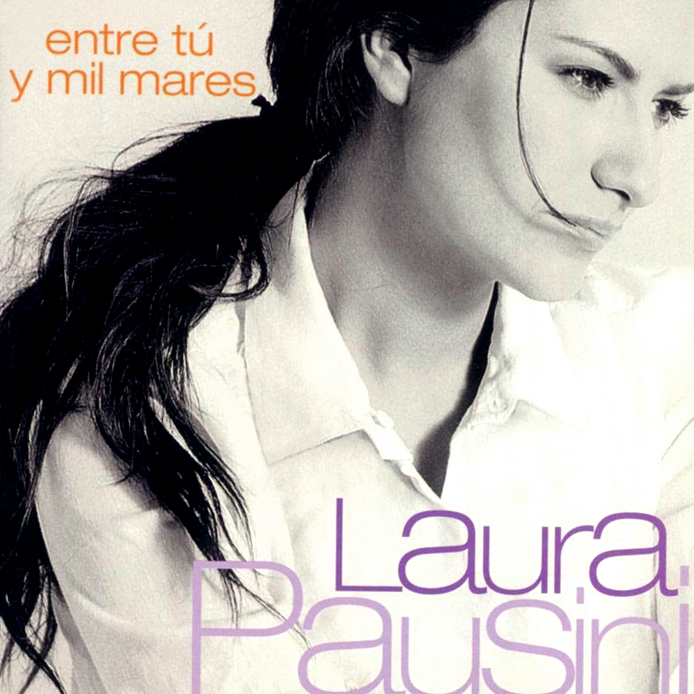
 View Artist