Song Meaning
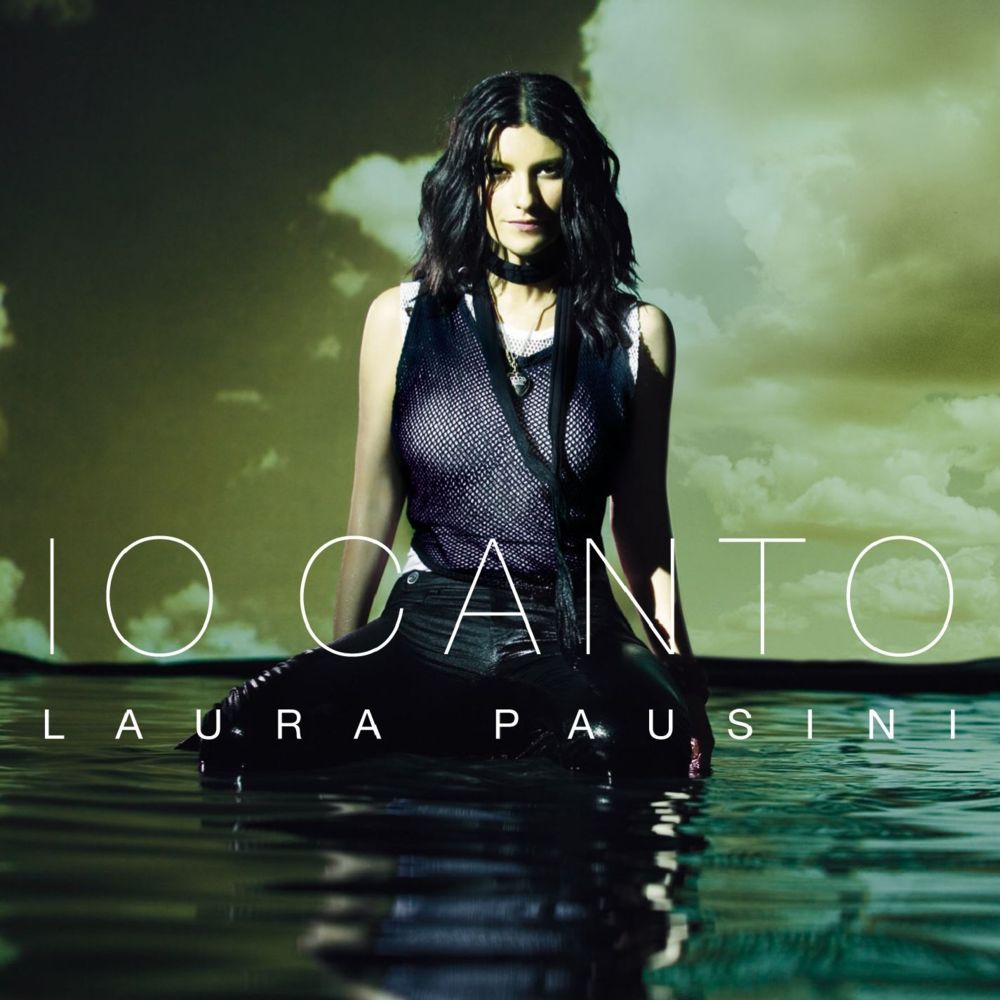
Laura Pausini's "Quando" isn't simply a question of *when*; it's a raw, existential plea born from a relationship teetering on the edge. The repeated questioning of "Tu dimmi quando, quando" (Tell me when, when) isn't a polite inquiry about scheduling; it's a desperate grasping for control in a situation defined by uncertainty and emotional exhaustion. The speaker's thirst, repeatedly mentioned as "Ho sete, ho sete ancora" (I'm thirsty, still thirsty), acts as a metaphor for an unquenchable longing, a deep-seated need that the other person seems unable or unwilling to satisfy. This thirst permeates the entire song, suggesting a profound emotional and perhaps even spiritual deprivation. The lyrics paint a picture of someone caught between yearning and resentment.
The references to eyes, mouth, hands, and nose scattered across distant lands ("Africa che importa" – Africa, what does it matter?) suggest a fragmented connection, a sense that the other person is emotionally and physically absent, even when present. This feeling of disconnect fuels the speaker's internal conflict. The line "Per dirti che ti odio ancora" (To tell you that I still hate you) is particularly striking, revealing a complex mixture of love and animosity. It's the kind of statement born from deep hurt and betrayal, suggesting that the relationship, while desired, is also a source of intense pain. There is an acknowledgment of a toxic push and pull.
The bridge, with its declaration of living "Tutto il giorno per vederti andar via" (All day to see you go away), highlights a painful paradox: a life seemingly structured around the departure of the loved one. The mention of "il paradiso, che non esiste" (paradise, which does not exist) adds a layer of disillusionment, suggesting a loss of faith in idealized notions of love and happiness. The line "Chi vuole un figlio non insiste" (Who wants a child does not insist) hints at potentially deeper issues within the relationship, possibly related to family desires or the lack thereof, contributing further to the sense of unfulfilled longing and the speaker’s desperate, questioning refrain throughout the song.
 View Artist