Song Meaning
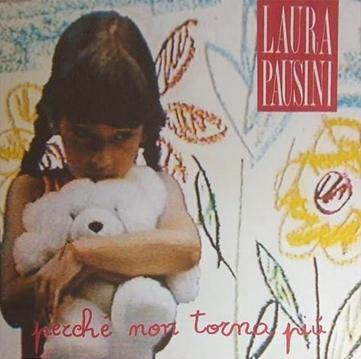
Laura Pausini's "Perché non torna più" aches with a potent nostalgia, a raw yearning for a lost past. The song meaning revolves around the irretrievable nature of childhood and the specific bonds of sisterhood, viewed through the prism of adult experience. It's not just a sentimental glance backward; it's a lament for a freedom and complicity that societal pressures and the harsh realities of life have eroded. The opening verses paint a picture of youthful rebellion and familial warmth, innocent games contrasted with the inevitable scolding. This idyllic scene quickly dissolves into the complexities of adolescence, whispered secrets of love exchanged in schoolyards. This sets the stage for the central question that haunts the entire song: "Perché non torna più?" – Why doesn't it come back anymore?" The liberty, the laughter, the shared joy become spectral figures, just out of reach.
The lyrics analysis reveals a deeper exploration of fractured relationships. The bond between sisters, initially described as an unbreakable pact of shared hearts and souls, is later strained by an unspecified tragedy. "Ma una notte con la luna piena di sfortuna..." hints at a pivotal moment of misfortune, marked by the wail of a siren. This event casts a long shadow, forever altering the dynamic between the sisters and contributing to the sense of irrevocable loss. The 'complicità' - the intimate understanding and shared secrets - that once defined their relationship fades, leaving behind a void that adulthood cannot fill. It's the universal story of growing up, but with a particularly sharp focus on the impact of external forces on female relationships.
Ultimately, "Perché non torna più" is a poignant meditation on the bittersweet passage of time. The repetition of the central question emphasizes the singer's profound sense of displacement and longing. It's not merely about missing childhood innocence; it's about mourning the loss of a specific, irreplaceable connection. The song acknowledges that memory offers little solace when confronted with the stark reality of the present. Even the simple joys of youth, like singing at the top of their lungs in the shower, are now tinged with sadness, serving as a constant reminder of what has been lost. Pausini captures the universal human experience of grappling with the irretrievability of the past, a sentiment that resonates deeply with anyone who has ever looked back and wondered, "Why doesn't it come back anymore?"
 View Artist