Song Meaning
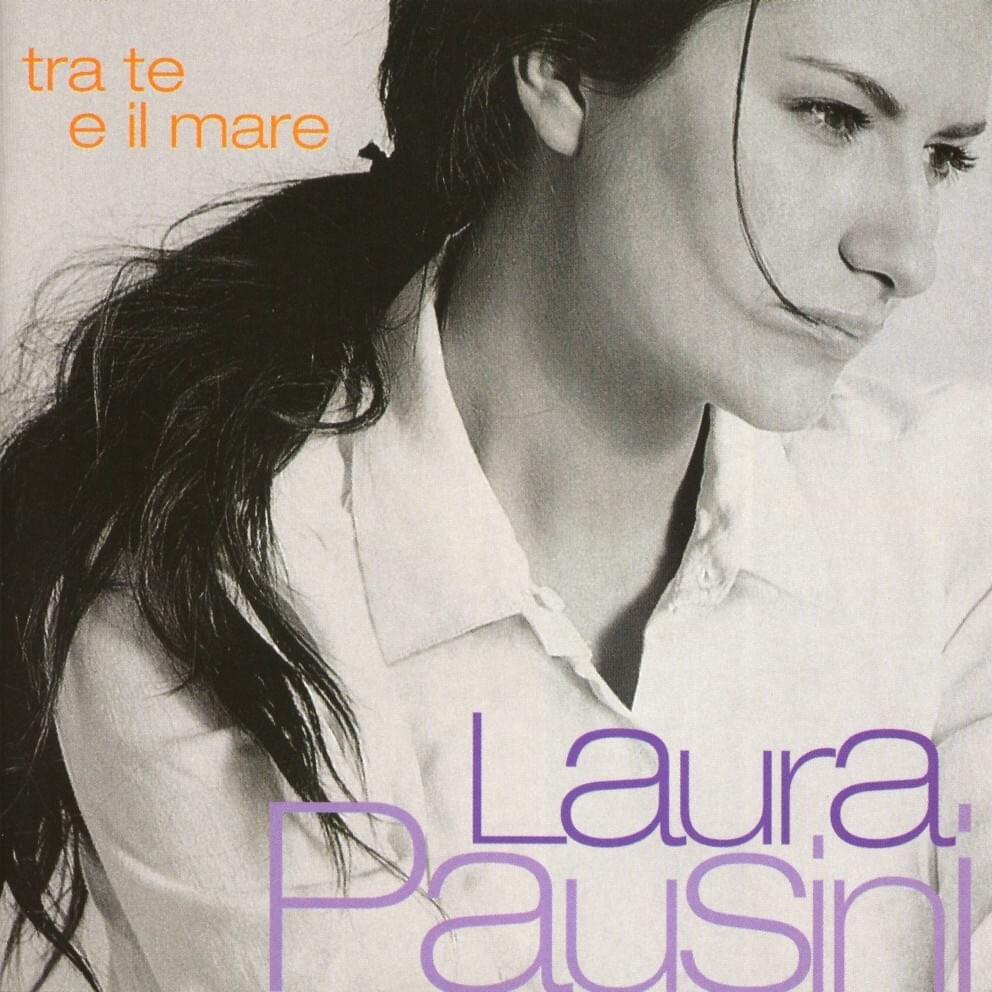
Laura Pausini's "Per vivere" doesn't just tug at the heartstrings; it rips them out, examines them, and then dares to offer a fragile hope. The track plunges us into the lived reality of a child dwelling in abject poverty, where the street is both home and a brutal teacher. Pausini, with her signature vocal intensity, gives voice to the voiceless, painting a stark picture of survival against impossible odds. The lyrics aren't subtle, and they don't need to be. Phrases like "scuola dei bambini come me / Che hanno per maestre fame e lacrime" (school for children like me / Whose teachers are hunger and tears) are a gut punch, stripping away any romanticized notions of hardship. The "Dio della città" (God of the city) becomes a beacon, a desperate plea for liberation within this urban wasteland. It's a search for divinity amidst decay.
"Vivere è un gioco a perdere qui" (Living is a losing game here) encapsulates the crushing weight of systemic disadvantage. The act of "respirare colla per essere / Ladri di attimi" (sniffing glue to be / Thieves of moments) reveals the extreme measures taken to escape the harsh reality, a desperate attempt to steal fleeting instances of oblivion. Yet, even within this bleak landscape, a flicker of resilience ignites. The internal quest for faith—"Dentro me cercherò / Quella fede che non ho" (Inside myself I will look for / That faith that I don't have)—becomes a crucial turning point. It's not a naive optimism, but rather a gritty determination to find meaning and strength from within.
The repeated invocation of "Kyrie eleison" (Lord, have mercy) is a raw, unfiltered cry for divine intervention. It's a plea not just for survival, but for the possibility of truly living. The song acknowledges the near impossibility of overcoming such profound adversity, yet it refuses to succumb to despair. The final verses, where Pausini sings of finding her path and walking with God "Per vivere" (in order to live), offer a tentative resolution. It's not a guarantee of salvation, but a commitment to persevere, to fight for a life worth living, even when all seems lost. Pausini doesn't offer easy answers; instead, she provides a haunting meditation on resilience, faith, and the enduring human spirit in the face of unimaginable hardship.
 View Artist