Song Meaning
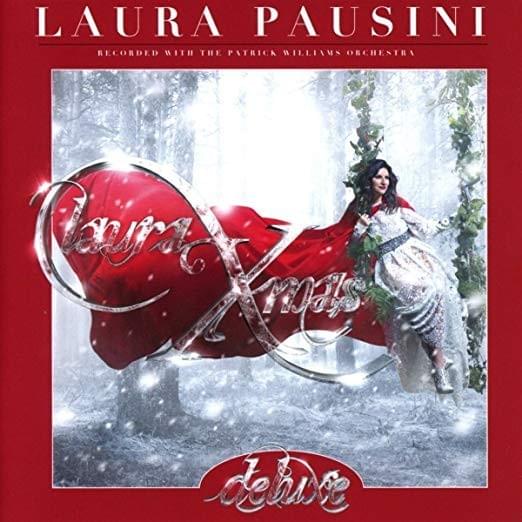
Laura Pausini's rendition of "Noche de Paz"—better known to English speakers as "Silent Night"—transcends mere holiday cheer, delving into the profound psychological comfort offered by cycles of renewal. The lullaby-like simplicity of the lyrics, repeating phrases like "Noche de paz, noche de amor" (Night of peace, night of love), creates a sonic womb, a regression to the safety and security of childhood and foundational belief. It's a primal yearning for tranquility in a world perpetually teetering on the edge of chaos. Pausini's voice, known for its emotive power, adds a layer of vulnerability to the familiar melody, amplifying the listener's own sense of longing for inner peace. The repetition isn't just a stylistic choice; it's a form of psychological anchoring, a mantra designed to soothe and reassure. The song's power lies in its ability to tap into our collective subconscious, reminding us of the shared human desire for serenity and hope.
The imagery within "Noche de Paz" is equally potent. The recurring motif of the star, "la estrella de Belén" (the star of Bethlehem), symbolizes not only divine guidance but also the inherent human capacity for hope, even in the darkest of times. The shepherds "velando allí en Belén" (watching there in Bethlehem) represent vigilance and faith, qualities that are often tested in the face of adversity. The song doesn't shy away from acknowledging the surrounding darkness ("Todo duerme en derredor" – All sleeps around), but it reframes that darkness as a necessary backdrop against which the light of hope can truly shine. It is precisely within this contrast that the true meaning of the song resides: the promise of light emerging from darkness, a theme that resonates deeply with the human psyche, particularly during times of uncertainty.
Ultimately, Laura Pausini's "Noche de Paz" functions as a sonic balm for the weary soul. It’s a reminder that even amidst the noise and turmoil of modern life, the possibility of finding peace and love remains. The "niño Jesús" (baby Jesus) is less a literal figure here and more a symbol of nascent potential, the promise of a fresh start, and the enduring power of innocence. The lyrics analysis reveals a song about finding solace in simplicity, embracing hope in the face of despair, and reconnecting with the fundamental human need for peace. The enduring appeal of “Noche de Paz,” beautifully rendered by Pausini, lies in its ability to tap into these universal psychological needs, offering a moment of respite and reflection in a world that desperately craves both.