Song Meaning
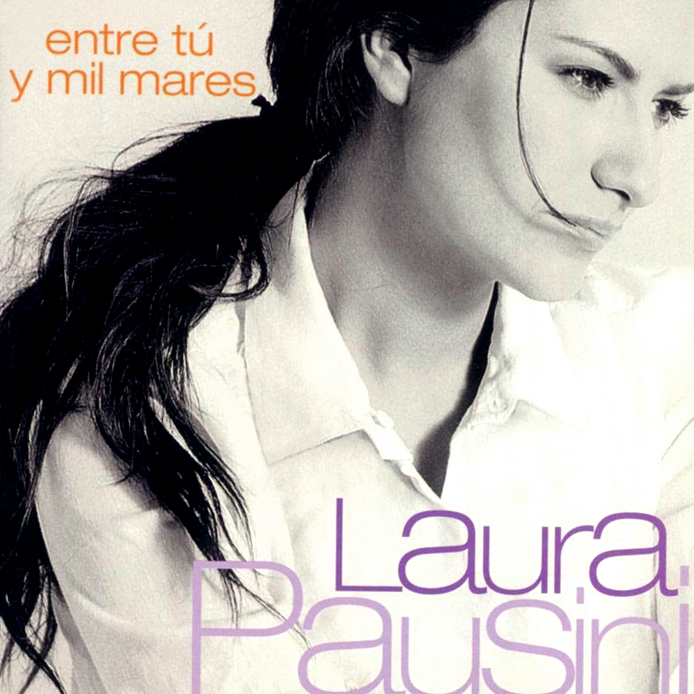
Laura Pausini's "Entre tú y mil mares" isn't just a love song; it's a raw, exposed nerve of romantic dependency and the struggle for self-preservation. The opening lines, "Ya no tengo miedo de ti / Ya toda mi vida eres tu," immediately establish a paradox. Fearlessness intertwined with utter devotion suggests a relationship where boundaries have dissolved, where the singer's identity is completely enmeshed with her lover. The powerful declaration, repeated throughout the song, "No puedo dividirme ya entre tu y mil mares / No puedo ahora estarme quieta y esperarte," is a desperate plea for resolution. She can no longer exist in this agonizing limbo, torn between the gravitational pull of her partner and the vast, undefined possibilities of a life beyond him. The "mil mares" (thousand seas) represent not just physical distance, but the infinite potential for experience and self-discovery that she's sacrificing.
The lyrics reveal a history of repeated abandonment and promises. The lines "Te me vas y todavía / Me juras que es la ultima / Es mejor si no me fio" are a testament to broken trust. This isn't a one-time offense; it's a pattern of behavior that has eroded her faith in the relationship. The emotional exhaustion is palpable. She's tired of waiting, tired of being left behind, tired of the empty assurances. The struggle is now internal as much as external. She's fighting against her own instincts, against the ingrained habit of believing him, against the fear of being alone.
Ultimately, "Entre tú y mil mares" is a song about the painful process of reclaiming oneself. It's about recognizing the destructive nature of codependency and summoning the strength to break free. The singer's declaration that she can no longer divide herself signifies a turning point. It's a refusal to continue living in a state of perpetual anxiety and uncertainty. The repeated line "No vivo ya no sueño ya / Tengo miedo ayúdame" encapsulates the desperation but is followed by a declaration of independence. She may still crave his presence and fear the unknown, but she's acknowledging her own needs and setting a boundary. The song's meaning resides not in a triumphant declaration of independence, but in the raw, vulnerable moment of choosing oneself over a love that has become a prison.
 View Artist