Song Meaning
Laura Pausini’s "Cuando Se Ama" dissects the agonizing premonition of a love affair’s end. The song, saturated with a palpable sense of dread, explores the psychological landscape of a relationship on its deathbed. Pausini doesn't just narrate a breakup; she meticulously charts the emotional cartography of denial, avoidance, and the desperate clinging to fading affection. The opening lines immediately establish a power dynamic, a plea against denial: "No digas no / Que te conozco y sé como piensas." This isn't a sudden revelation, but a slow, creeping awareness of impending doom. The repeated insistence, "No digas no," underscores the futility of manufactured reassurance when the truth is already etched in the silences and averted gazes. The singer recognizes the other person's avoidance and knows that they are just trying to delay the inevitable.
The lyrics are steeped in the imagery of decay. Time, once a shared promise, is now weaponized: "Usando el tiempo futuro, ya no." The future, previously painted with shared dreams, is now barren. The casual morning smiles, once a source of joy, no longer hold meaning. The core of the song meaning lies in the recognition of these subtle shifts, the emotional erosion that precedes the formal severing of ties. The line "Cuando se ama el final se presiente" is the nucleus of the song. It's a chilling acknowledgment that love, even in its twilight, possesses a strange prescience.
Pausini uses cinematic metaphors to amplify the sense of tragic inevitability. "Como en un film se adivina la escena / Cuando se va" suggests that the relationship's demise is not a shocking twist, but a predictable plot point, a scene we can anticipate even if we desperately wish it weren't so. The plea, "Por eso dime que me amas / Y ya desde mañana / Nunca más," is not a genuine request for reconciliation. Instead, it is a demand for honesty. It is a way to accelerate the end by exposing the lie. The request isn't for continued affection, but for a decisive break – a clean cut rather than a prolonged, agonizing bleed. The rawness of the final "nunca más" underscores the acceptance of a future devoid of this love, a future that has already begun to feel like a bleak, endless winter.
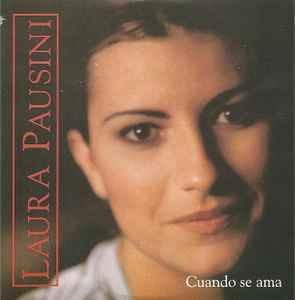
 View Artist