Song Meaning
Laura Pausini's "Cinque giorni" isn't just a heartbreak anthem; it's a raw, operatic exploration of the psychological quicksand that loss creates. The title itself, "Five Days," immediately sets a tone of compressed grief, a concentrated dose of anguish. The lyrics paint a picture of someone not just mourning a relationship, but actively wrestling with the fallout, the intrusive thoughts, and the agonizing question of how to move on. Pausini captures the feeling of being trapped in a loop, the 'five days' stretching into an eternity of pain. The external world—friends, well-wishers—only exacerbates the wound, each inquiry twisting the knife. The singer feels stuck between healing and succumbing, a profound dilemma articulated in the lines about not knowing whether to 'guarire o affondare giù per sempre' (heal or sink down forever). This isn't passive sadness; it's a battle for self-preservation.
The rawness of "Cinque giorni" lies in its unflinching portrayal of self-destructive impulses. The singer admits to hurting even those who offer comfort, revealing the isolating nature of deep sorrow. The desperate attempts to escape the pain—'ho provato a disprezzarti, a tradirti, a farmi male' (I tried to despise you, to betray you, to hurt myself)—highlight the paradox of grief: the urge to destroy the source of pain, even if it means self-annihilation. This internal conflict is further amplified by the plea, 'Aiutami a distruggerti' (Help me destroy you), a haunting request that acknowledges the singer's inability to break free from the emotional entanglement.
The final verses of "Cinque giorni" introduce a layer of accusatory regret, directed both outward and inward. The question 'Mi dici tu chi ti perdonerà di esserti dimenticata ieri?' (Tell me, who will forgive you for having forgotten yesterday?) suggests a lingering sense of betrayal and abandonment. Yet, it also implies a self-awareness, a recognition of shared responsibility in the relationship's demise. The simplicity of 'Quando bastava stringersi di più, parlare un po'' (When all it took was holding each other tighter, talking a little) underscores the tragic realization that small acts of connection could have prevented this devastating outcome. Ultimately, "Cinque giorni" resonates because it doesn't offer easy answers or tidy resolutions. Instead, Laura Pausini delivers a visceral portrayal of the messy, complicated, and often contradictory nature of heartbreak, leaving the listener to grapple with the enduring power of lost love.
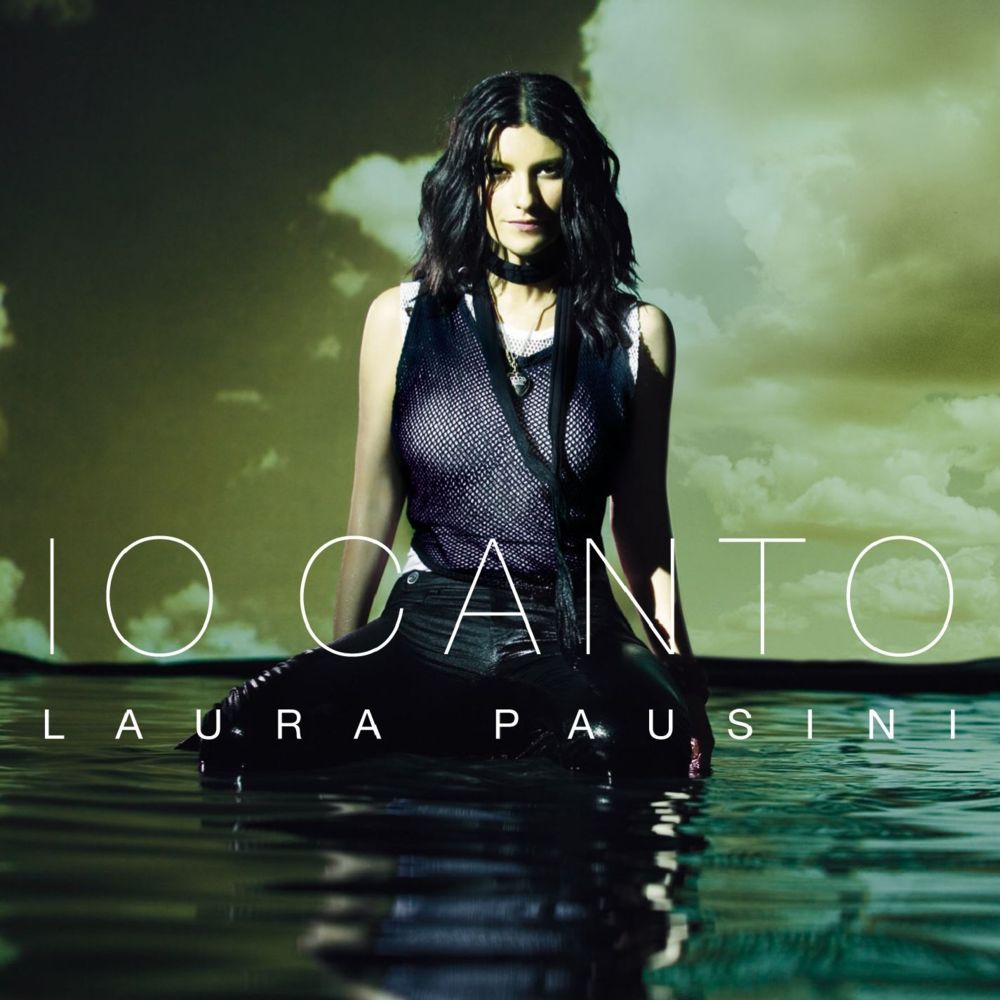
 View Artist