Song Meaning
{"song_id": 15530338, "meaning": "Laura Pausini's \"Cada uno juega su partida\" isn't just a plea for forgiveness; it's a raw, exposed nerve of vulnerability disguised as a pop ballad. The song meaning hinges on a desperate attempt to salvage a relationship fractured by unspoken rules and personal failings. The opening lines, a series of self-deprecating apologies (\"Me excuso / De mis gestos ignorándote / Me arrepiento yo culpándome\"), immediately establish a posture of contrition. She's not just saying sorry; she's dissecting her own behavior, acknowledging the hurt she's inflicted. This isn't a generic \"oops, I messed up\"; it's a deep dive into the specific ways she's wounded her partner. The repeated request to \"depón las armas\" (lay down your weapons) is both literal and metaphorical, suggesting a desire to move beyond defensiveness and engage in genuine communication. This is where the psychology comes in: Pausini understands that true reconciliation requires vulnerability from both sides.
The chorus, with its repeated entreaties, highlights the power dynamic at play. She's not demanding forgiveness; she's begging for a chance to prove herself. The lines \"De ti esperaré / Solamente tener otro intento\" underscore the precariousness of her position. She's aware that she's on thin ice and that her partner holds all the cards. The acknowledgement that \"No se dan las instrucciones de uso / De la vida / Cada uno juega su partida\" (there are no user manuals for life / everyone plays their own game) is a crucial pivot. Pausini seems to suggest that their relationship struggles stem, at least in part, from the inherent ambiguity of human connection. There's no rulebook for love, and they've both been navigating uncharted territory, making mistakes along the way.
Ultimately, \"Cada uno juega su partida\" is a song about the messy, imperfect nature of relationships. It's about acknowledging one's flaws, seeking redemption, and understanding that love is a game with no guaranteed winners. The rawness of the lyrics, combined with Pausini's emotive delivery, makes this more than just a pop song; it's a poignant exploration of the human condition. It's an argument for empathy, understanding, and the possibility of second chances, even when the odds seem stacked against you. The song's climax, with the lines \"Tienes muchas palabras / Pero pocos silencios\" suggests that communication, but also, active listening, is what is needed to resolve their issues."
}
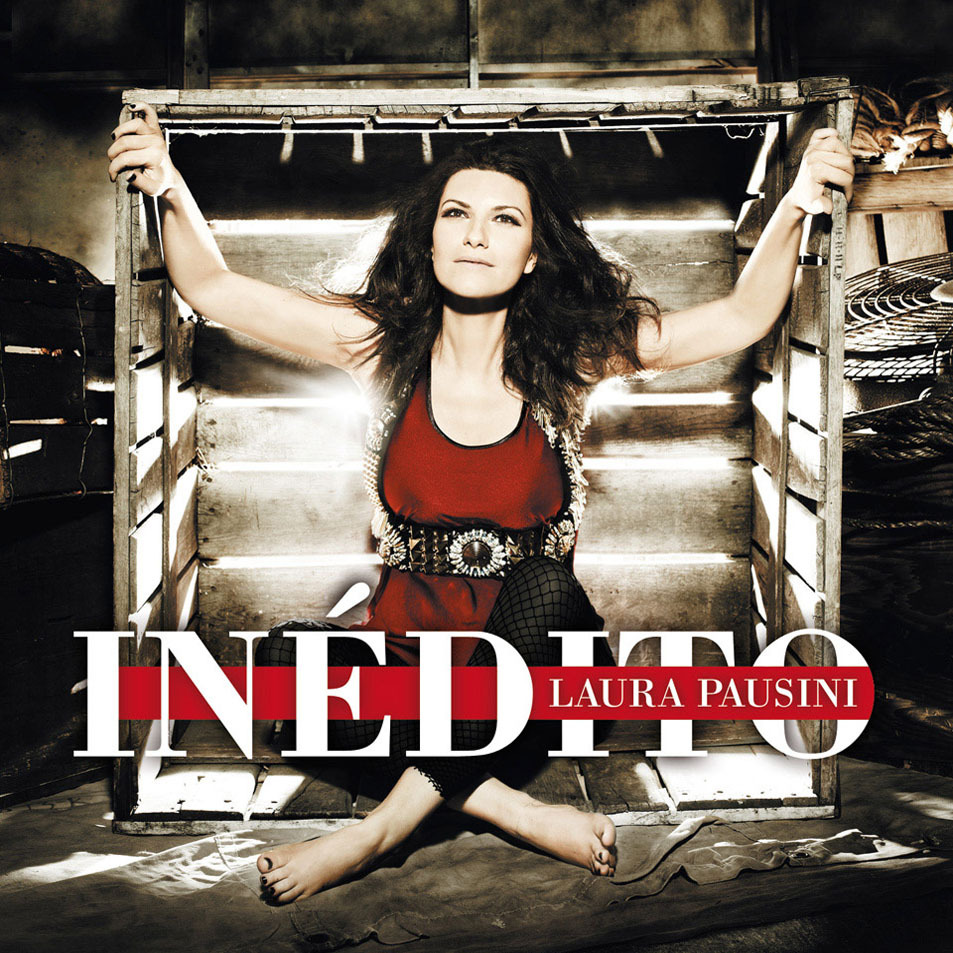
 View Artist