Song Meaning
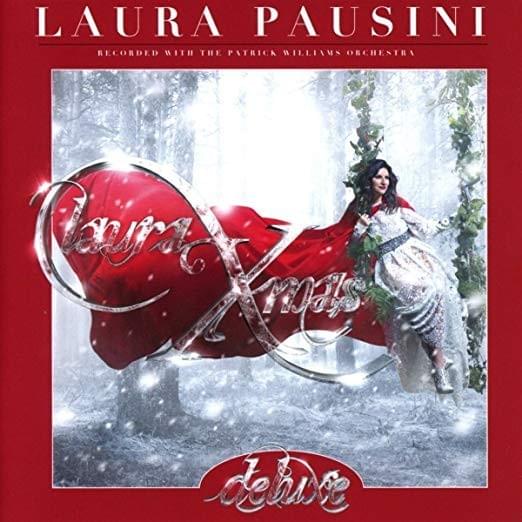
Laura Pausini's rendition of "Astro del Ciel," a traditional Italian Christmas carol (likely a version of "Silent Night"), transcends simple holiday cheer, functioning instead as a concentrated plea for enlightenment and solace. The lyrics, steeped in religious symbolism, paint a portrait of the divine child as both a gentle lamb ("Mite agnello redentor") and a regal figure, a "virgineo, mistico fior." This juxtaposition speaks to the dual nature of faith, the need for both humble acceptance and aspirational reverence. Pausini's interpretation amplifies the inherent tension between the earthly and the celestial, highlighting the yearning for divine intervention in a world perpetually teetering on the edge of chaos.
The recurring invocation of "Astro del ciel" (Star of the Sky) isn't merely a description of the guiding star of Bethlehem. It's a metaphor for hope, a beacon in the darkness, and a symbol of the divine presence capable of piercing through human ignorance. The repeated request to "Luce dona alle menti, pace infondi nei cuor" (Give light to our minds, instill peace in our hearts) underscores the song's central theme: a deep-seated desire for inner transformation. It's a recognition that true salvation lies not just in religious dogma, but in the cultivation of empathy, understanding, and inner peace.
Analyzing the lyrics further, the line "Tu disceso a scontare l'error" (You descended to atone for error) acknowledges the inherent fallibility of humanity and the need for redemption. More profoundly, "Tu sol nato a parlare d'amor" (You alone born to speak of love) elevates love as the ultimate guiding principle. Pausini's delivery, imbued with a palpable sense of longing, transforms the familiar carol into a deeply personal prayer, reflecting a universal human need for connection, forgiveness, and the unwavering pursuit of inner illumination. The song meaning resonates far beyond its religious origins, tapping into the collective desire for a more compassionate and enlightened world.