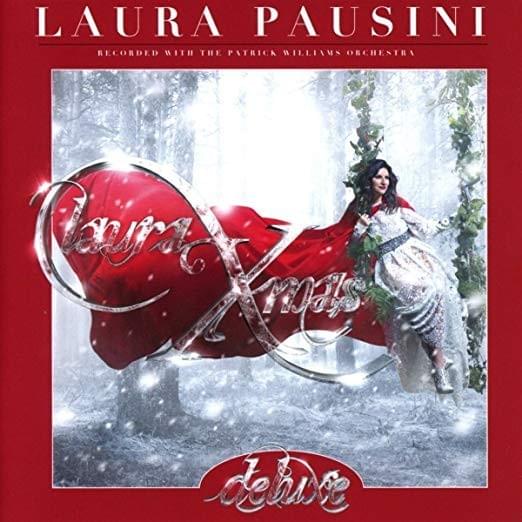
Song Meaning
Laura Pausini's rendition of "Adeste Fideles" isn't just a song; it's an invitation, a summons echoing through centuries. The Latin hymn, traditionally sung at Christmas, sheds its dusty liturgical skin under Pausini's care, becoming a vibrant, almost urgent call to witness something extraordinary. The song meaning resides not merely in the adoration of the newborn king, but in the communal act of approaching the divine. It's an active participation, not passive observation. The repetition of "Venite adoremus" (Come, let us adore) underscores this participatory element, urging listeners to join the throng of believers. It's an inclusive gesture, welcoming all to the manger.
The lyrics themselves paint a stark contrast between the celestial and the humble. Angels are mentioned, but so are shepherds, leaving their flocks to answer the call. This juxtaposition highlights the universality of the experience; divinity isn't confined to gilded palaces but accessible to the lowliest among us. The movement described—the shepherds "adproperant" (hastening) to the cradle—suggests an eagerness, a joyous anticipation that is infectious. Pausini’s interpretation, even without lyrical embellishment, amplifies this sense of immediacy. It’s not about historical reverence, but about a present, ongoing invitation to believe.
Ultimately, Pausini's "Adeste Fideles" functions as a sonic embodiment of faith's core tenet: the act of witnessing. It's about choosing to see, choosing to believe, and choosing to join the chorus of adoration. The simplicity of the lyrics, combined with the power of Pausini's delivery, cuts through the noise and distractions of the season, offering a moment of pure, unadulterated devotion. In a world saturated with spectacle, the song beckons us toward a different kind of wonder, one found not in grandeur but in the quiet miracle of a newborn child.