Song Meaning
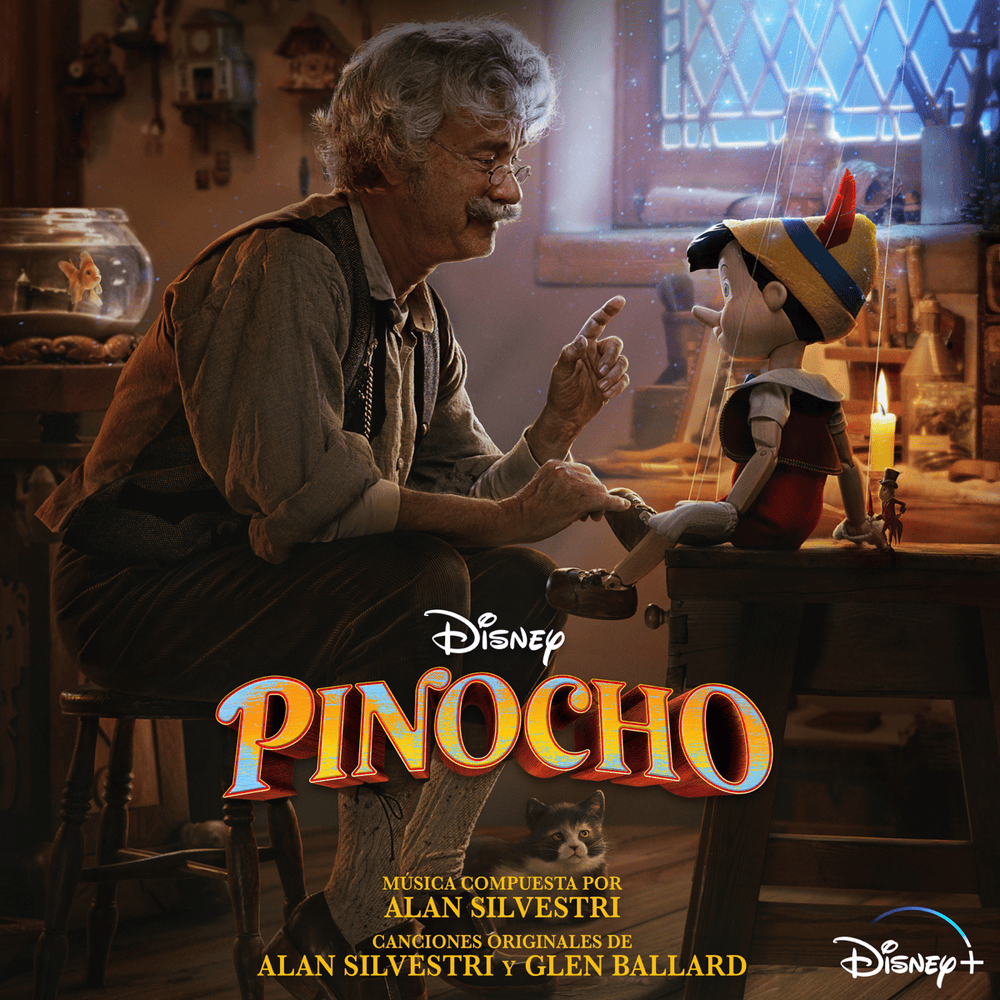
The narrator declares an unwavering commitment to dancing, even without formal training or a partner. The opening lines establish a defiant spirit: "Pese a que no soy bailarina, siempre bailaré" (Even though I'm not a dancer, I will always dance). This sets the stage for a personal, uninhibited expression of joy and freedom, emphasizing that the act of dancing itself is the ultimate goal, not external validation or technical perfection. The narrator embraces their humanity and the idea of being a "marioneta" (puppet) in their own practice, suggesting a surrender to the movement.
The core tension lies between the narrator's internal desire to dance and the perceived judgment of others. They acknowledge that onlookers might "Comentarán, reirán" (comment, laugh) and criticize their solitary movement, even suggesting they "sola no sé andar" (don't know how to walk alone). This external pressure is contrasted with the narrator's internal resolve to "libre yo me sentiré" (feel free) through dance. The dream isn't just about movement; it's about reclaiming agency and self-expression against potential ridicule.
The lyrics showcase a remarkable breadth of dance styles, from classical ballet terms like "gran plié" and "grand jeté" to a global tour of Latin rhythms like tango, salsa, rumba, chachachá, merengue, bachata, mambo, bomba, plena, and samba, even venturing into "kathak" and "kabuki." This extensive list isn't just a catalog; it represents an embrace of diverse forms of movement and cultural expression. The instruction "Solo mueve tus pies con el ritmo y verás" (Just move your feet with the rhythm and you'll see) underscores the idea that the essence of dance is accessible to anyone willing to surrender to the music and "dejarte llevar" (let yourself go).
Ultimately, the effectiveness of these lyrics stems from their potent blend of vulnerability and unshakeable self-determination. The narrator's dream of dancing, despite perceived limitations and societal judgment, resonates as a powerful metaphor for pursuing personal passions. The sheer joy and freedom envisioned, described as being "Como un niño al bailar con total libertad" (Like a child dancing with total freedom), makes the aspiration feel both deeply personal and universally understood as a path to liberation.
 View Artist