Song Meaning
The lyrics present a stark, yet strangely comforting, perspective on mortality, centered on the idea of shared departure. The core sentiment is that dying itself isn't the tragedy; it's the loneliness of being left behind. This is immediately established with the repeated refrain, "Dyin' ain't so bad / Not if you both go together." The narrator finds solace in the thought of a shared end, framing it as a preferable alternative to a life lived in the shadow of loss. This isn't a morbid fascination with death, but rather a profound emphasis on the value of companionship even in the face of finality.
The central tension arises from the narrator's fear of solitude after a loved one is gone. "Only when one's left behind does it get sad" is the emotional pivot, highlighting a deep-seated aversion to enduring life alone. This fear is so potent that the narrator explicitly states, "I only hope to God that I go first / I couldn't live on memories." This isn't about a lack of strength to grieve, but an inability to conceive of a meaningful existence without the presence of their partner, suggesting their love is the very foundation of their perceived life.
The most striking craft element is the stark contrast between the narrator's pragmatic acceptance of a shared demise and their dismissal of conventional life pursuits. The lines, "I've met boys who talk 'bout farms and horses / And they don't do much for me," serve to underscore that their priorities are entirely focused on this singular, intense connection. The repeated phrase "a short and lovin' life" becomes an anthem, not for brevity itself, but for a life intensely lived and shared, implying that such a life, even if cut short, is preferable to a long, solitary one.
Ultimately, the effectiveness of these lyrics lies in their raw honesty about a deeply human fear: the pain of separation. By framing death as a shared event, the narrator transforms a terrifying prospect into a testament to the power of their bond. The simple, direct language and the insistent repetition of the core idea create an emotional resonance that bypasses complex philosophy and speaks directly to the heart's desire for connection, making the prospect of a shared end feel not just acceptable, but almost desirable.
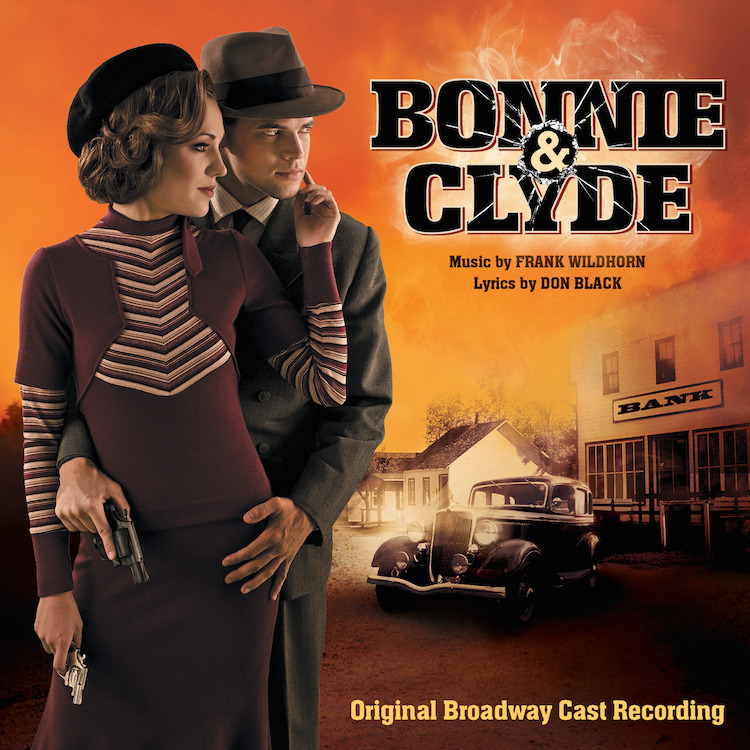
 View Artist