Song Meaning
Laura Nyro’s "When I Was a Freeport and You Were the Main Drag" isn't just a lament; it’s a primal scream against disillusionment. The song meaning hinges on a core conflict: the loss of innocence and the crushing weight of societal forces. Nyro uses the potent image of a "freeport"—a place of open exchange, free from constraints—contrasted against the controlling power of the "main drag," a symbol of established authority and perhaps even societal expectation. This central metaphor paints a picture of a past where the singer felt unburdened, a stark contrast to her current state of being "treated bad." The repetition of "I'm mad at my country" underscores a deep betrayal, moving beyond personal heartbreak into the realm of political and social alienation. It is a woman scorned, but also a citizen betrayed. The personal is political, as they say.
The blues-soaked verses amplify this sense of loss. Lines like "You took my heart, misery / You taught me blues" establish a relationship with suffering, almost as a mentor. The "broken blues" and the plea to the "little bird" highlight a desire for escape from circumstances that feel increasingly suffocating. But escape proves elusive. The bridge, with its desperate cry of "What did I do?" and the relentless pursuit of "the law," suggests a feeling of being unfairly targeted, perhaps for simply existing outside the lines drawn by the "main drag." This creates an atmosphere of paranoia and vulnerability, the sense of being persecuted for simply seeking freedom.
Ultimately, "When I Was a Freeport and You Were the Main Drag" is a powerful exploration of the clash between individual liberty and societal control. The lyrics suggest a journey from a state of naive freedom to a harsh awareness of the limitations imposed by external forces. Even the repeated declaration "I'm a woman" in the final verse feels less like a statement of pride and more like a stark acknowledgement of her position within this power dynamic, a position that leaves her vulnerable and waiting for "due time." Nyro’s raw, emotive delivery only intensifies the song’s message, leaving the listener with a lingering sense of unease and a profound understanding of the price of freedom.
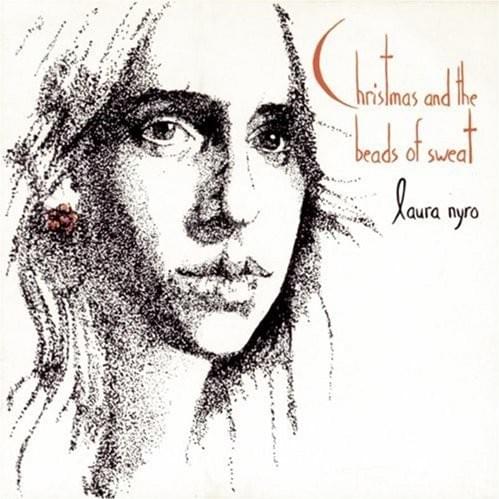
 View Artist