Song Meaning
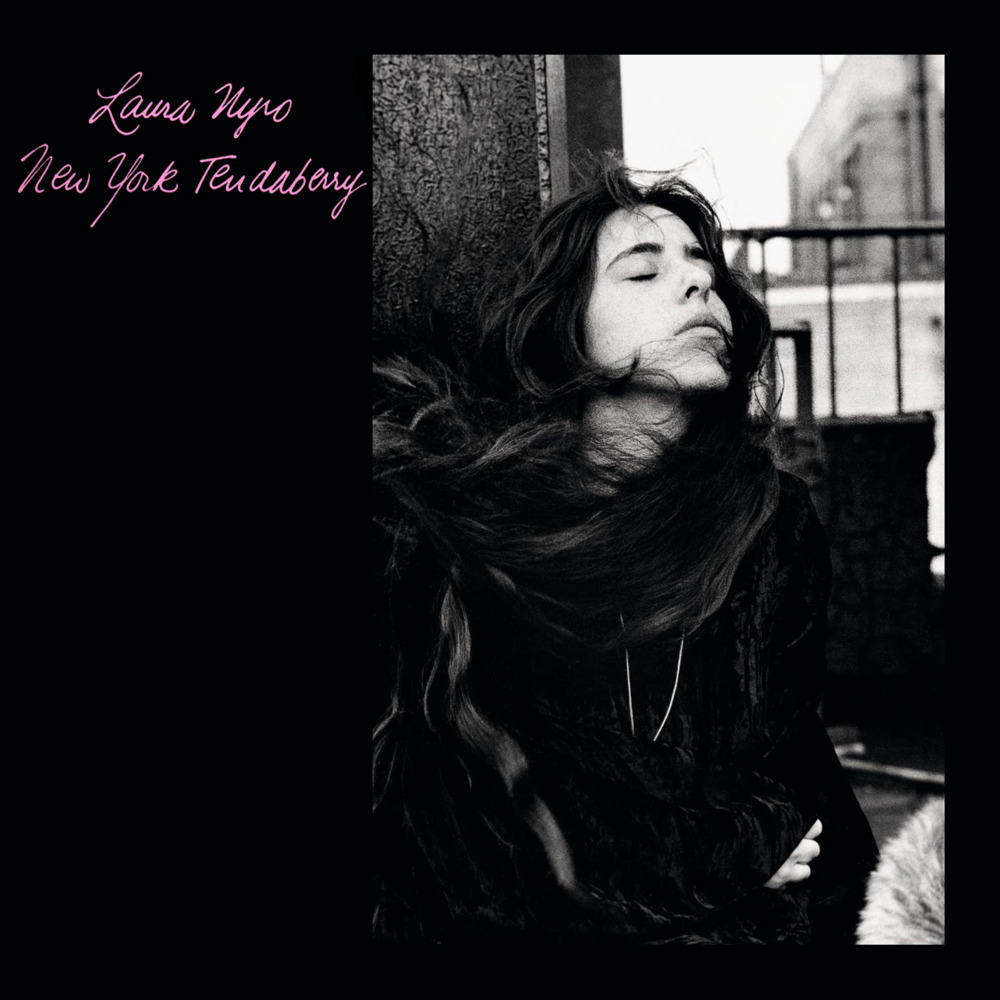
{"song_id": 14990604, "meaning": "Laura Nyro's \"New York Tendaberry\" isn't just a song; it's a synesthetic fever dream painted with urban grit and spiritual yearning. The titular \"tendaberry\" acts as a multi-sensory metaphor for New York City itself – a place both bruising and beautiful, capable of delivering ecstatic highs and crushing lows. The recurring image of the \"blue berry\" suggests a concentrated dose of experience, a potent sweetness tinged with melancholy. This isn't a postcard view of the city; it's an internal landscape reflecting the artist's turbulent relationship with her muse.
The lyrics hint at a push and pull, a desire to escape and an undeniable pull back into the city's orbit. The repeated line, \"So I ran away in the morning,\" juxtaposed with \"Now I'm back, unpacked,\" speaks to a cyclical pattern of flight and return. This isn't necessarily a physical journey, but perhaps a psychological one – a wrestling with the overwhelming intensity of urban life and the search for meaning within its chaos. The references to \"rugs and drapes and drugs / And capes\" alongside \"sweet kids in hunger slums\" highlight the stark contrasts and moral ambiguities inherent in the New York experience.
The bridge section, \"Sidewalk and pigeon / You look like a city / But you feel like religion / To me,\" crystallizes the song's central thesis. New York transcends its physical form, becoming a sacred space for Nyro, a place of profound personal significance. The final verse elevates the city to a near-mythical status, where \"God and the tendaberry rise\" and unlikely allies – \"Quakers and revolutionaries\" – unite. It’s in this crucible of suffering (\"Here where I've cried / Where I've tried\") that Nyro finds a sense of belonging, suggesting that even through \"silver tears,\" there's a redemptive power in embracing the city's complex, contradictory soul. The song meaning ultimately lies in the deeply personal, almost mystical connection Nyro forges with New York, transforming it from a mere location into a source of artistic and spiritual sustenance."}
 View Artist