Song Meaning
The lyrics paint a vivid picture of a life unlived, framed by a river that separates the narrator from everything she desires. The central, recurring image is the insurmountable obstacle of the river, symbolizing a fundamental inability to access a more vibrant existence. The house across the water, with its "garden of such beauty," and the boy with "short black curly hair" represent potential love and fulfillment, yet the repeated, almost mournful, refrain "alas I cannot swim" underscores a deep-seated helplessness. This isn't just about a physical inability; it's a metaphor for a paralyzing fear or lack of agency that keeps her trapped.
The core tension lies between the longing for connection and the self-imposed (or perhaps externally imposed) limitation. The narrator acknowledges a "life across the river that was meant for me," but immediately contrasts it with "constant misery." This suggests a profound sense of missed opportunity and a resignation to a less fulfilling reality. The desire for the boy is particularly poignant, as she explicitly states, "I never will get to put my arms around him," highlighting the physical and emotional distance that her inability to cross the river creates.
The most striking element is the narrator's rejection of "gold across the river" in the chorus and outro. Initially, the "gold" might seem to represent the wealth or success associated with the life she's missing. However, her declaration "I don't want none" and the subsequent lines "I would rather be dry than held up by a golden gun" reframe this. The "gold" becomes a symbol of a hollow, materialistic pursuit, tied to the relentless "work more, earn more, live more, have more fun" mantra. She rejects this superficial definition of a good life, preferring her current, albeit miserable, state of being "dry" over being trapped by a "golden gun," which implies being trapped or controlled by wealth.
Ultimately, the lyrics resonate because they capture the universal feeling of being on the outside looking in, coupled with a surprising assertion of self-worth. The narrator's inability to swim isn't just a source of regret; it becomes the very thing that allows her to see the hollowness of conventional success. By refusing the "gold," she finds a peculiar form of freedom and integrity, even within her self-described "constant misery." It's a powerful statement about choosing authenticity over a life that promises much but might deliver little of true value.
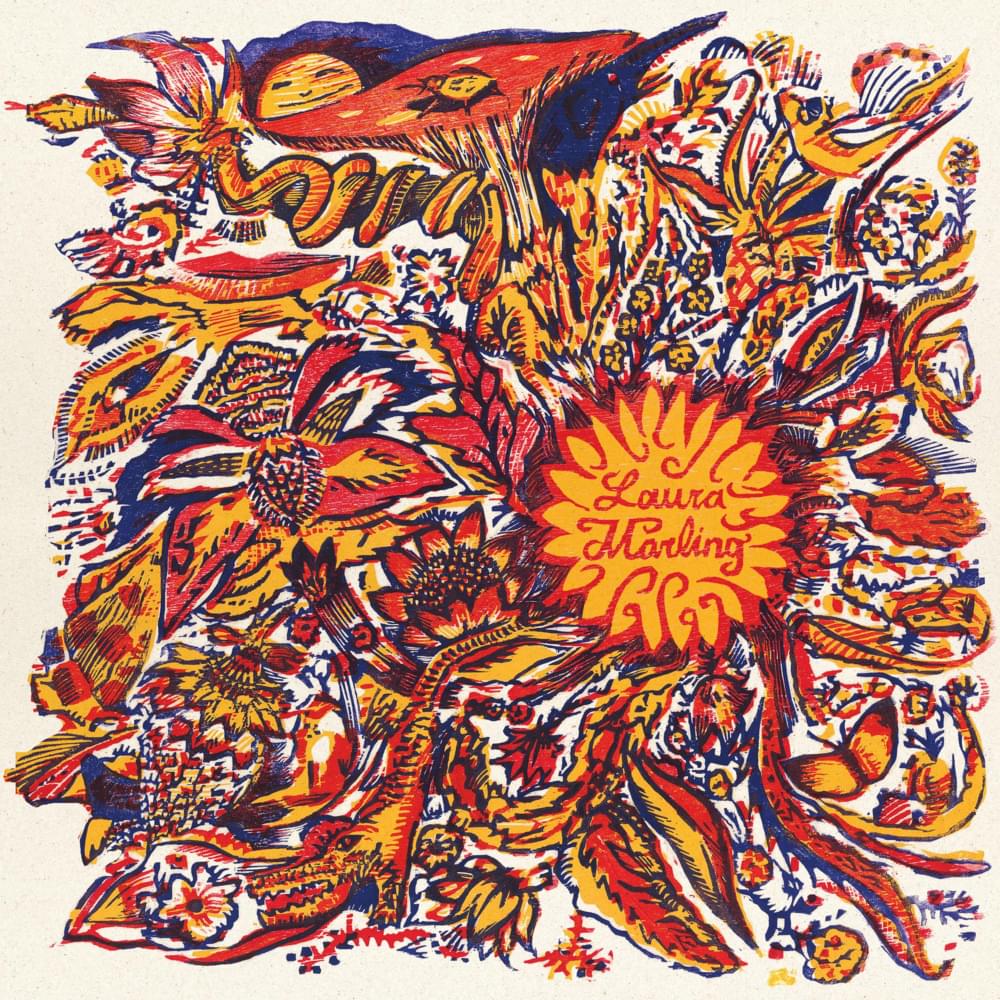
 View Artist