Song Meaning
The lyrics paint a picture of a profound, almost overwhelming emotional connection. The act of "taking you in" is immediately tied to "great, great sadness" and a "great hope, heavy in my chest." This suggests a love that is both deeply cherished and tinged with an awareness of potential loss or past pain. The narrator's world seems to hinge on this person; "to let you go, is to lose my balance," plunging them into a state of passive, anxious waiting. This isn't just affection; it's a foundational dependence.
The central tension revolves around time and irreversible change. The repeated refrain, "We can't get back the spring once it's passed," acts as a stark reminder of lost opportunities and the fleeting nature of precious moments. This sentiment is amplified by the memory of love born in "colder times," with vows made in "ice and steel," hinting at a relationship forged under difficult circumstances or with a sense of permanence that now feels fragile. The contrast between the cold beginnings and the present hope, now burdened by sadness, is palpable.
The figure of the "sleeper" is particularly intriguing. They are described as a "keeper of days," yet the narrator questions if the sleeper truly knew them, asking, "did you know me from the morning?" This implies a disconnect, perhaps a one-sided understanding or a fear that the deep emotional investment is not fully reciprocated or recognized. The sleeper's kiss for luck, a seemingly small gesture, becomes loaded with the narrator's own complex feelings and the weight of their shared past.
Ultimately, the lyrics resonate because they capture the bittersweet ache of loving someone deeply while grappling with the inevitability of time's passage and the potential for misunderstanding. The narrator's commitment, even to the point of "mak[ing] you a bed in a barren field," underscores a desperate, enduring hope against the backdrop of a world where lost time cannot be reclaimed. It's a raw portrayal of vulnerability and the heavy burden of a love that feels both essential and precarious.
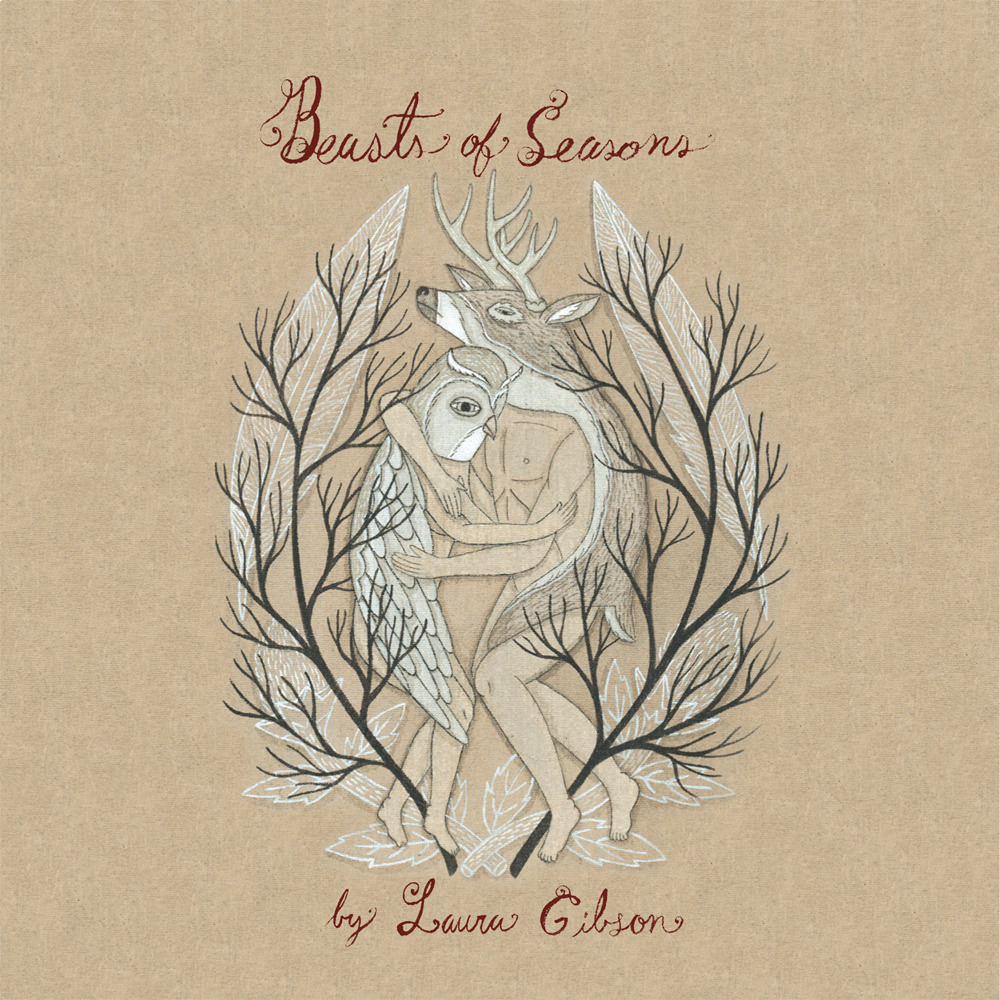
 View Artist