Song Meaning
Laura Cantrell's "Vaguest Idea" isn't a song so much as a meditation on the unreliable narrator that is human memory. Cantrell, with her signature understated delivery, paints a landscape of recollections – some sharp, some fading, some actively repressed. The genius of the song meaning lies in its recognition that even our most cherished or traumatic memories are subject to distortion, reinterpretation, and outright fabrication over time. It's a sentiment echoed in the repeated line "None with the vaguest idea," suggesting a collective amnesia or perhaps a shared delusion about the past. We think we know what happened, but do we really? Are we just clinging to narratives that serve our present selves? The cyclical structure of the song, reinforced by the recurring "All the temptations/All the relations/All the sad faces" refrain, emphasizes this sense of being trapped in an endless loop of revisiting and revising our personal histories.
"Vaguest Idea" resonates because it taps into a fundamental human experience: the struggle to reconcile the past with the present. Cantrell doesn't offer easy answers or sentimental platitudes. Instead, she acknowledges the inherent ambiguity and subjectivity of memory. The references to temptations, relations, and sad faces point to the messy, complicated realities of human connection and the enduring impact of our choices. The song subtly suggests that even when memories are painful ("some memory's painful, some memory's best to forget"), they continue to shape our present actions ("you find you guided your steps"). This is not necessarily a comforting thought, but it is an honest one.
Ultimately, Laura Cantrell's "Vaguest Idea" is a poignant reminder that our memories are not fixed points in time but rather fluid, ever-evolving constructs. It prompts us to question the stories we tell ourselves about the past and to consider the possibility that we may never truly know what happened, or why. The instrumental break serves as a moment of quiet contemplation, inviting us to reflect on the gaps and silences in our own personal narratives. The song is a subtle masterpiece of emotional nuance, delivered with Cantrell's characteristic grace and intelligence.
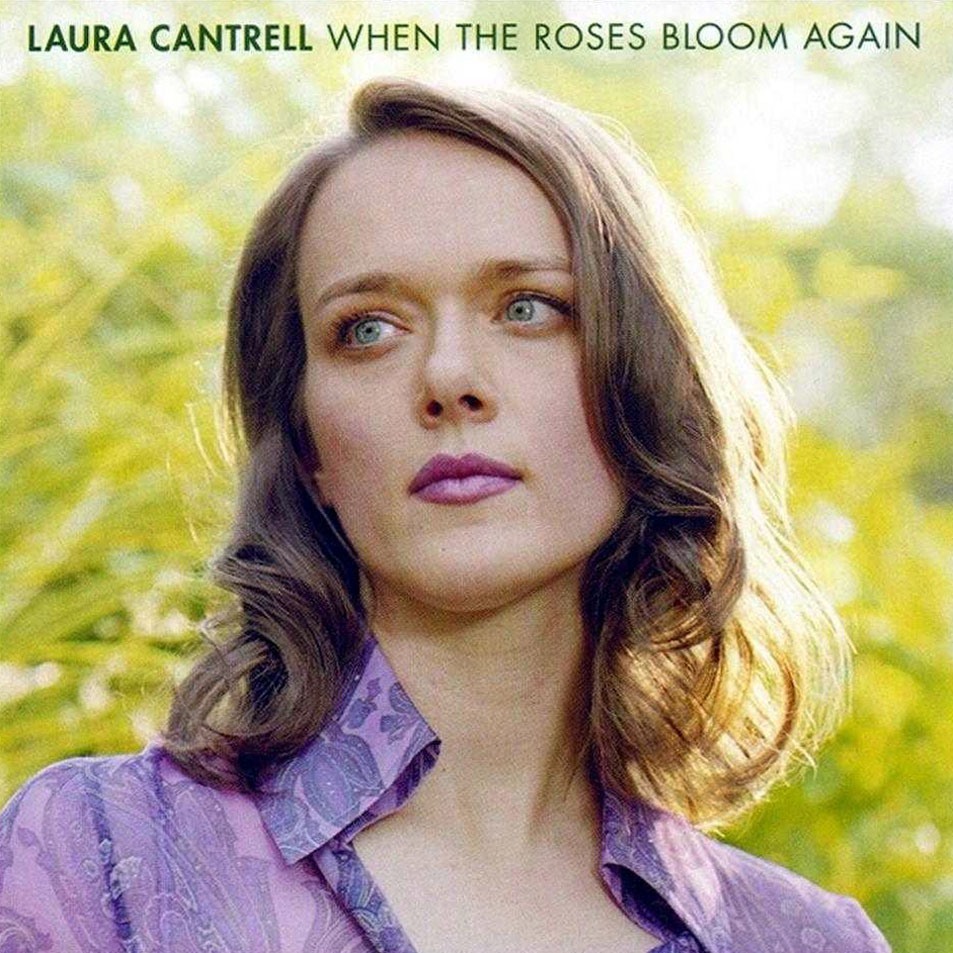
 View Artist